
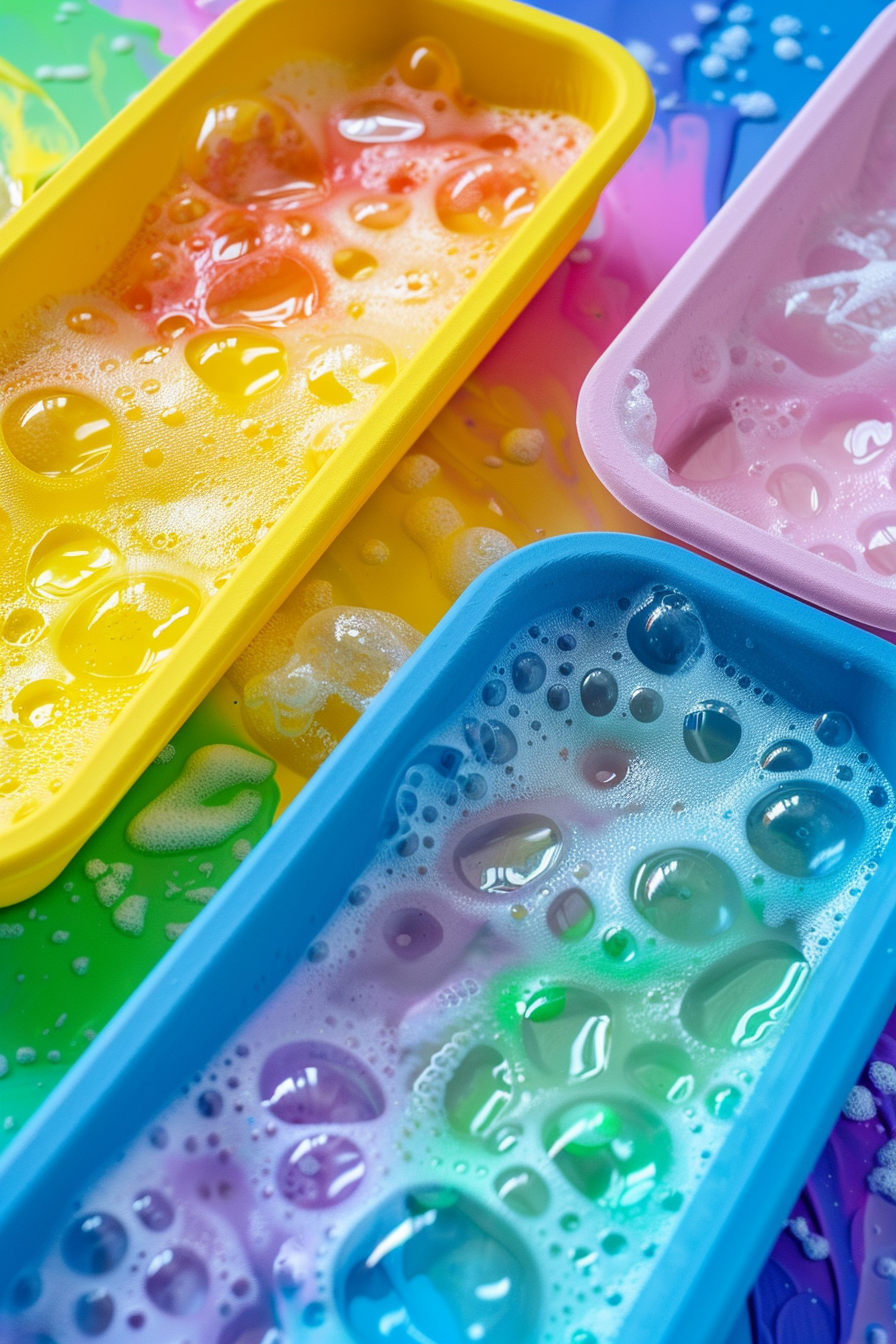
Rainbow Foam Science Experiment for Kids is one of the easiest and most exciting sensory activities you can make at home. This colorful experiment combines baking soda, dish soap, vinegar, and food coloring to create bright rainbow foam that bubbles and grows right before your eyes. Kids love the fizzy reaction, while parents appreciate how simple and inexpensive the setup can be.
This hands-on activity works well for birthdays, rainy days, preschool learning, summer fun, or simple kitchen science exploration. Because it uses basic household ingredients, preparation takes only a few minutes. The rainbow colors, foamy texture, and bubbling reactions make this experiment especially entertaining for toddlers and younger children with adult supervision.
One afternoon during a long rainy weekend, we needed something exciting that didn’t involve screens or complicated supplies. After gathering a few kitchen ingredients and some food coloring, we started experimenting with rainbow foam reactions at the table near the window. The moment the colorful bubbles started rising, the kids could not stop laughing and asking for more colors. Soon the entire table became covered in bright fizzy foam while everyone stayed completely entertained. Since then, this rainbow science activity has become one of our favorite easy sensory experiments to repeat throughout the year.
Ingredients
Equipment
Method
- Place baking soda onto shallow plates or trays.
- Add drops of food coloring directly onto the baking soda.
- In small cups, mix vinegar with dish soap and water.
- Slowly pour the vinegar mixture onto the baking soda.
- Watch the colorful foam bubble and expand into rainbow reactions.
Notes
Tried this recipe?
Let us know how it was!Why Kids Love This Rainbow Science Experiment
Bright Colors Make Learning Fun
Children naturally enjoy colorful activities, especially when they involve movement and surprise reactions. The rainbow effect in this Rainbow Foam Science Experiment for Kids creates excitement immediately because the colors spread and blend while bubbling upward.
Food coloring transforms a simple science experiment into a visually exciting sensory experience. Additionally, children stay engaged longer when they can choose and mix their own colors.
Many parents also enjoy using rainbow themes because they encourage creativity and imagination. Kids often pretend the foam is lava, magic potions, clouds, or colorful slime during playtime.
Because the activity is hands-on, children also practice fine motor skills while pouring, squeezing, and stirring ingredients together.
Simple Ingredients Create Big Reactions
One reason this experiment works so well is the dramatic reaction between baking soda and vinegar. When combined, they create carbon dioxide gas, which forms bubbly foam.
Dish soap helps trap the gas bubbles, causing the foam to expand and grow larger. Therefore, even small amounts of ingredients can produce impressive results.
Unlike many complicated science projects, this activity requires only a few affordable household items. Most families already have everything needed in the kitchen pantry.
The quick setup also makes this experiment ideal for busy afternoons, classroom activities, or last-minute boredom busters.
Ingredients and Supplies Needed
Basic Household Ingredients
This Rainbow Foam Science Experiment for Kids uses easy-to-find ingredients that are generally inexpensive and simple to prepare.
You will need:
- Baking soda
- White vinegar
- Dish soap
- Food coloring
- Water
Baking soda forms the base of the reaction, while vinegar activates the fizzing process. Dish soap creates extra foam and helps extend the bubbling effect.
Food coloring adds the rainbow appearance that makes the activity especially exciting for children.
Helpful Tools for Setup
In addition to ingredients, a few simple tools make preparation easier and less messy.
Helpful supplies include:
- Small bowls or cups
- Plates or trays
- Measuring spoons
- Droppers or squeeze bottles
- Straws or spoons
- Paper towels
Using trays underneath the experiment helps contain spills and makes cleanup easier afterward.
If younger children participate, adult supervision is important, especially when using straws or handling liquids near faces.
How to Make Rainbow Foam Step by Step
Preparing the Color Mixtures
Start by placing small amounts of baking soda onto separate plates or shallow bowls. Add a few drops of food coloring directly onto the baking soda.
Next, mix a little dish soap with vinegar inside small cups or squeeze bottles. Different colors can also be added directly into the vinegar mixture for brighter rainbow effects.
Allow children to help choose colors and organize the setup before beginning the reaction. This makes the activity feel more interactive and exciting.
The experiment works best when everything is prepared ahead of time because the foaming reaction begins quickly.
Creating the Rainbow Foam Reaction
Slowly pour or squeeze the vinegar mixture onto the baking soda. Almost immediately, colorful foam begins bubbling and expanding upward.
For larger foam reactions, add slightly more dish soap or vinegar gradually over time. Children usually enjoy watching the foam continue growing and spreading across the tray.
Some families use droppers for slower reactions, while others pour larger amounts for dramatic overflowing bubbles.
Because the foam is temporary, many kids enjoy repeating the process several times using different colors and combinations.
Educational Benefits of the Experiment
Early Science Learning
This Rainbow Foam Science Experiment for Kids introduces children to simple chemical reactions in a fun and memorable way. Kids observe how ingredients change when combined and learn about cause and effect naturally through play.
Parents and teachers can explain that mixing baking soda and vinegar creates gas bubbles called carbon dioxide. Although the explanation stays simple for younger children, the visual reaction helps reinforce basic science concepts.
Additionally, children practice observation skills while noticing color mixing, bubbling speed, and foam texture changes.
Sensory Play and Creativity
Foamy textures and bright colors create excellent sensory experiences for younger children. Sensory play helps support creativity, fine motor skills, and curiosity.
Many children enjoy touching the foam carefully, stirring colors together, or creating patterns on the trays. Because the activity feels playful, kids often stay engaged longer than with traditional learning exercises.
Rainbow-themed experiments also encourage imagination and storytelling during playtime.
Tips for Easy Cleanup and Safe Play
Keeping the Activity Mess-Free
Although this experiment can become messy, a few simple tricks help keep cleanup manageable.
Use trays or plastic tablecloths underneath the experiment area. Conducting the activity outdoors or on kitchen surfaces also helps simplify cleanup afterward.
Paper towels nearby make wiping foam easier as children play.
Using smaller ingredient amounts initially can also help prevent large overflows.
Safety Tips for Young Children
Always supervise children during this experiment, especially if using straws, droppers, or squeeze bottles.
The ingredients are common household products, but they should not be swallowed intentionally. Encourage children to avoid touching eyes or faces during the activity.
After the experiment, wash hands thoroughly and clean surfaces carefully.
Simple supervision ensures the activity stays safe, educational, and enjoyable for everyone involved.
Frequently Asked Questions
What makes the foam bubble?
The reaction between baking soda and vinegar creates carbon dioxide gas, which forms bubbles.
Can toddlers do this experiment?
Yes, toddlers can enjoy this activity with close adult supervision.
How do I make the foam bigger?
Adding extra dish soap and vinegar can increase the size of the foam reaction.
Is the experiment safe for kids?
Yes, when supervised properly and used only for play purposes.
Can I do this experiment outside?
Yes, outdoor setups work especially well because cleanup becomes much easier.
Conclusion
Rainbow Foam Science Experiment for Kids combines colorful sensory fun with simple science learning using basic household ingredients. The bubbling rainbow foam creates excitement immediately while encouraging creativity, curiosity, and hands-on exploration.
Because preparation is quick and affordable, this activity works perfectly for rainy days, classroom experiments, birthday parties, or everyday sensory play. With bright colors, fizzy reactions, and easy cleanup, this rainbow foam experiment easily becomes a favorite activity children want to repeat again and again.
Leave a Reply