
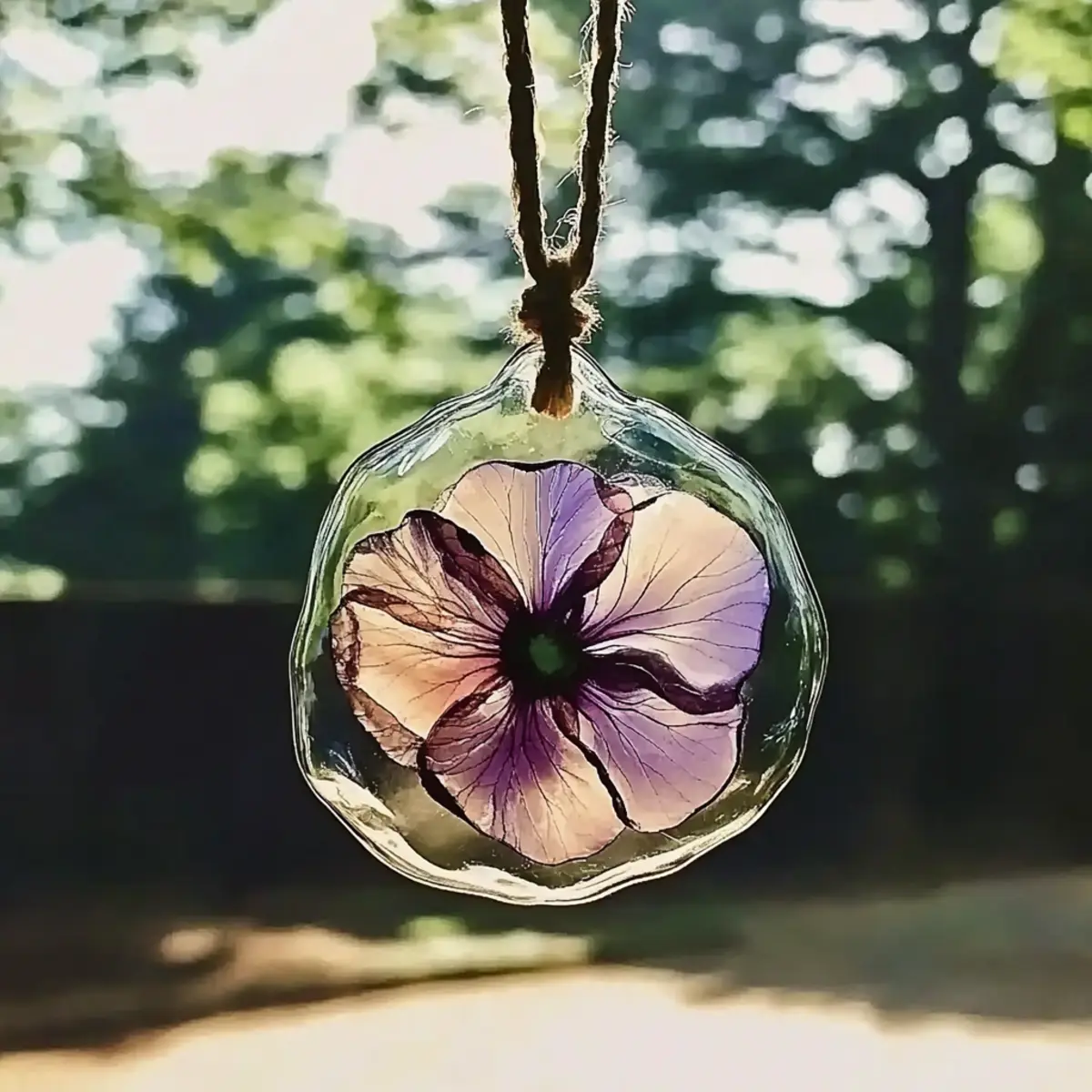
There's something enchanting about transforming nature's bounty into vibrant art right in your kitchen. As the sun casts its glow, these DIY Bioplastic Suncatchers come to life, capturing the essence of your favorite outdoor moments. I discovered this fun project on a whim during an afternoon stroll, collecting petals and leaves that would otherwise go unnoticed. Using simple ingredients like unflavored gelatin and vibrant hues, I created eye-catching suncatchers that not only brighten my windows but also spark joy in my home.
Perfect for a rainy day activity, this craft is not just about creating beautiful decorations; it’s an opportunity to connect with nature and teach the little ones about sustainability, crafting with a purpose. With each suncatcher that glows in the sunlight, you’re giving a nod to the environment while adding a splash of color and character to your space. So, gather some natural treasures and let’s dive into this delightful eco-friendly adventure together!
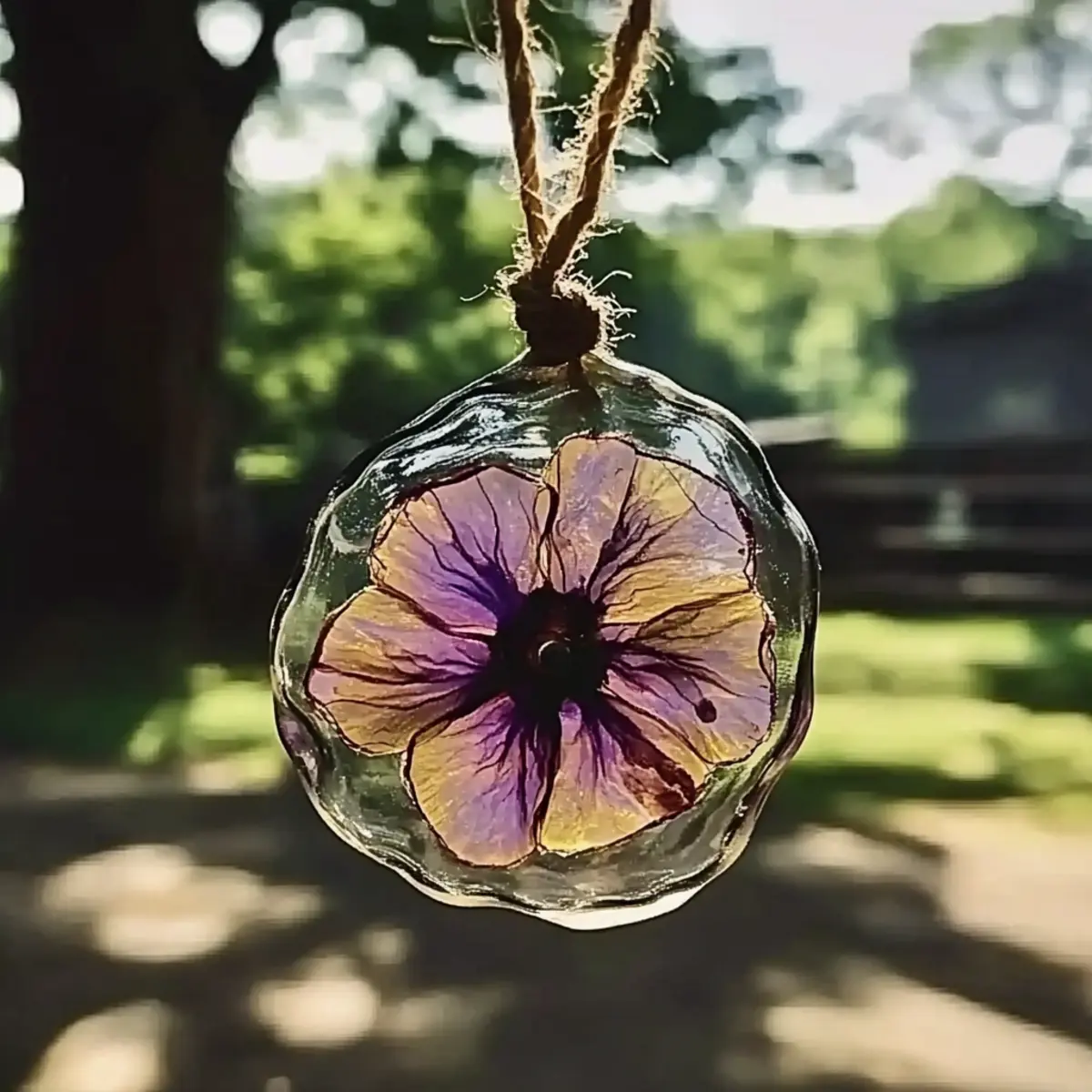
Why love DIY Bioplastic Suncatchers?
Delightful Creativity: Making DIY Bioplastic Suncatchers is a fun and engaging activity for all ages, turning a simple afternoon into an artistic adventure!
Eco-Friendly Fun: By using natural materials, this craft promotes sustainability and connects kids with nature.
Vibrant Displays: The bright colors and translucent designs create stunning visual effects when hung in your window, transforming sunlight into a colorful spectacle.
Learning Experience: Teach children about the environment and crafting while they enjoy endless creativity.
Quick and Easy: With just a few simple ingredients, your suncatchers can be ready to showcase in no time! For more eco-friendly tips, check out our section on sustainability practices.
Endless Variations: Feel free to experiment with different seasonal elements and colors, making each suncatcher uniquely yours!
DIY Bioplastic Suncatchers Ingredients
For the Base
- Unflavored gelatin – This acts as the main base for forming your suncatchers and can be found in the baking aisle.
- Boiling water – Essential for dissolving the gelatin and creating a smooth mixture.
For Decorating
- Loose parts from nature – Gather petals, leaves, or twigs during your outdoor adventures to add lovely decorations.
- Food coloring or natural dyes – A few drops can enhance your gelatin mixture, creating vibrant shades for your DIY Bioplastic Suncatchers.
- Glitter or confetti – Add sparkle for a magical touch, using any craft glitter you have at home.
For Molding
- Plastic lids – These act as molds; yogurt container lids are perfect!
- Cookie cutters or silicone molds – Use these to create fun shapes for your suncatchers.
Hanging Essentials
- String or yarn – Any durable string helps to hang your completed suncatchers beautifully.
For Scent (Optional)
- Essential oils – Incorporate lovely scents like lavender or lemon to elevate your suncatchers with aromatherapy!
Feel free to let your creativity shine and enjoy this eco-friendly crafting experience with your loved ones!
How to Make DIY Bioplastic Suncatchers
Prepare Gelatin: In a mixing bowl, combine the unflavored gelatin with boiling water, stirring until it's completely dissolved. This creates the perfect base for your suncatchers.
Add Color & Scent: Incorporate a few drops of food coloring and any essential oils you wish into the gelatin mixture. This step will make your suncatchers vibrant and aromatic!
Assemble Natural Elements: Gather your chosen loose parts from nature, like petals and leaves, and arrange them in the plastic lids or molds, creating a beautiful design.
Pour Gelatin: Carefully fill the molds with the gelatin mixture over the decorative items, ensuring everything is covered well.
Drying Time: Allow the suncatchers to dry flat on a towel or tray for 24 hours. This is crucial; they need to be completely dry to avoid any warping.
Finishing Touches: Once dried, gently remove the suncatchers from the molds. Attach string or yarn for hanging, and your lovely nature displays are ready to shine!
Optional: Add a sprinkle of glitter before the gelatin sets for an extra magical touch.
Exact quantities are listed in the recipe card below.
What to Serve with DIY Bioplastic Suncatchers?
Creating beautiful suncatchers is only half the fun! Let’s pair this delightful crafting experience with some enchanting activities and treats.
Nature Walks: Engage children in a nature walk to collect lovely elements that can be turned into more suncatchers or other crafts, deepening their connection with nature.
Painting Party: Set up an outdoor painting station with eco-friendly paints where everyone can create their art while the suncatchers are drying. The combination of colors and creativity will be inspiring!
Lemonade Stand: Refresh after crafting with homemade lemonade, a perfect pairing for a sunny day activity that keeps everyone cool and hydrated.
Homemade Cookies: Bake some sweet treats together after crafting. Chocolate chip cookies bring warmth and joy to any family gathering, balancing the creative spirit of the day.
Puzzle Time: Relax with a nature-themed puzzle that can be enjoyed together, fostering family bonding and encouraging discussions about nature while gently winding down.
Charming Storytime: Gather around for a cozy story session featuring nature-themed books. It’s a delightful way to unwind and ignite curiosity about the outdoors while celebrating a successful crafting session.
Picnic Ensemble: If the weather allows, enjoy a cozy picnic outdoors under the sun. Pack sandwiches, fruits, and refreshments for a perfect midday feast, complemented with your colorful creations displayed around.
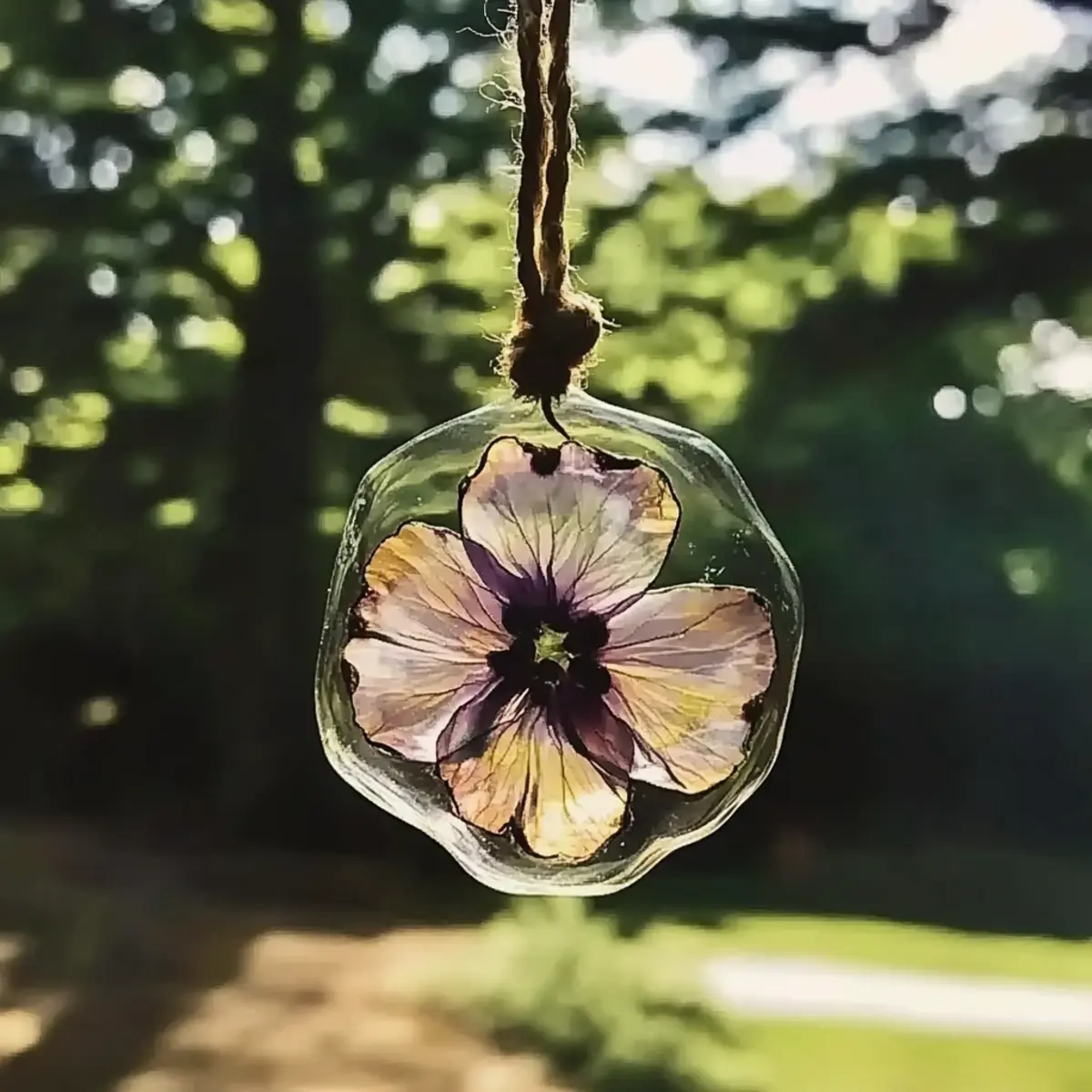
Suncatcher Showcase: Create a mini exhibition at home. Hang the finished suncatchers in a sunny window or garden where the family can admire the shifting colors as they chat about their favorite moments.
Enjoy this eco-friendly crafting experience, and let the sunshine inspire moments of joy and creativity!
Storage Tips for DIY Bioplastic Suncatchers
Room Temperature: Store your completed DIY Bioplastic Suncatchers flat in a cool, dry place to maintain their shape and avoid warping.
Fridge: If you live in a particularly humid area, consider keeping the suncatchers in the refrigerator to prolong their lifespan without compromising their beauty.
Avoid Sunlight: Keep the suncatchers away from direct sunlight to prevent fading of the vibrant colors and to extend their visual appeal.
Composting: After 1-2 weeks, when the suncatchers start to lose their charm, feel free to compost them as they're made from eco-friendly materials!
Expert Tips for DIY Bioplastic Suncatchers
- Layer Thickness: Thinner layers of gelatin will dry faster and reduce the risk of warping, resulting in smoother suncatchers.
- Molding Options: Ensure molds are flat and sturdy. Any similar flat container works; yogurt lids just happen to be perfect for this.
- Creative Collections: When gathering natural items, keep an open mind! Seasonal flowers, leaves, or interesting twigs can add unique traits to your DIY Bioplastic Suncatchers.
- Preserve Colors: Keep suncatchers out of direct sunlight after making them to prevent color fading; they’ll shine beautifully for weeks!
- Scent Selection: Essential oils can enhance the sensory experience, but use them sparingly – a little goes a long way!
- Suncatcher Lifespan: These lovely creations last about 1-2 weeks indoors. Make extra and teach your kids about their compostable nature!
DIY Bioplastic Suncatcher Variations
Customize your DIY Bioplastic Suncatcher for even more creativity and unique flair—let your imagination run wild!
Seasonal Swaps: Use seasonal leaves and flowers to reflect the current time of year, giving each suncatcher a fresh, natural look.
Scented Variations: Add scented herbs like basil or mint for delightful aromas to accompany the visuals; they truly enhance the sensory experience.
Color Infusion: Experiment with natural dyes from fruits and vegetables to create stunning colors without synthetic additives, promoting a sustainable craft.
Texture Play: Incorporate materials like feathers or dried grasses for varied textures that catch the light in fascinating ways.
Glitter Boost: Incorporate eco-friendly glitter for that extra sparkle, ensuring your suncatcher shines brilliantly in the sunlight!
Layered Design: Pour layers of different colored gelatin for a vibrant, stained-glass effect that reveals surprises with every glance.
Themed Shapes: Use cookie cutters shaped like animals, stars, or leaves to match special occasions or themes—think of seasonal festivities!
DIY Frame: After creating your suncatcher, craft a natural frame from twigs or branches to give it an earthy, rustic look that accentuates its beauty.
Make Ahead Options
Creating DIY Bioplastic Suncatchers is a fantastic way to save time for busy home cooks! You can prepare the gelatin mixture (unflavored gelatin dissolved in boiling water) up to 24 hours in advance, allowing you to have it ready when you gather your natural materials. Simply refrigerate the gelatin in an airtight container to maintain its quality. Additionally, you can collect and arrange your loose parts from nature (like petals and leaves) up to 3 days ahead, keeping them in a cool, dry place to avoid wilting. When you’re ready to finish, simply pour the gelatin mixture over the prepared decorations and let them dry flat for 24 hours to achieve those stunning, colorful suncatchers ready to hang and admire!
DIY Bioplastic Suncatchers Recipe FAQs
What kind of gelatin should I use for my suncatchers?
Absolutely! You'll want to use unflavored gelatin for your DIY Bioplastic Suncatchers. It acts as the perfect base to form your creations. You can easily find it in the baking aisle of most grocery stores.
How long do the suncatchers last, and how should I store them?
The suncatchers will typically last about 1-2 weeks when kept indoors, depending on humidity levels. I recommend storing them flat in a cool, dry place, away from direct sunlight to prevent fading. If you live in a humid area, keeping them in the refrigerator can also help extend their lifespan.
Can I freeze my suncatchers, and how would I go about doing that?
Yes, you can freeze them! To freeze your DIY Bioplastic Suncatchers, first allow them to dry completely at room temperature for about 24 hours. Once dried, individually wrap each suncatcher in plastic wrap and place them in an airtight container. They can be stored in the freezer for up to 3 months. When ready to use, thaw them gently at room temperature before displaying.
What should I do if my suncatchers start to warp or crack?
If you notice warping or cracking, it might be due to too thick layers of gelatin or improper drying conditions. To avoid this in the future, be sure to pour thinner layers of gelatin into your molds and allow them to dry flat for at least 24 hours. If they have already warped, you can gently reshape them back into their molds while they’re still soft, or simply embrace their unique shapes and enjoy their quirky beauty!
Are these suncatchers safe for pets and children?
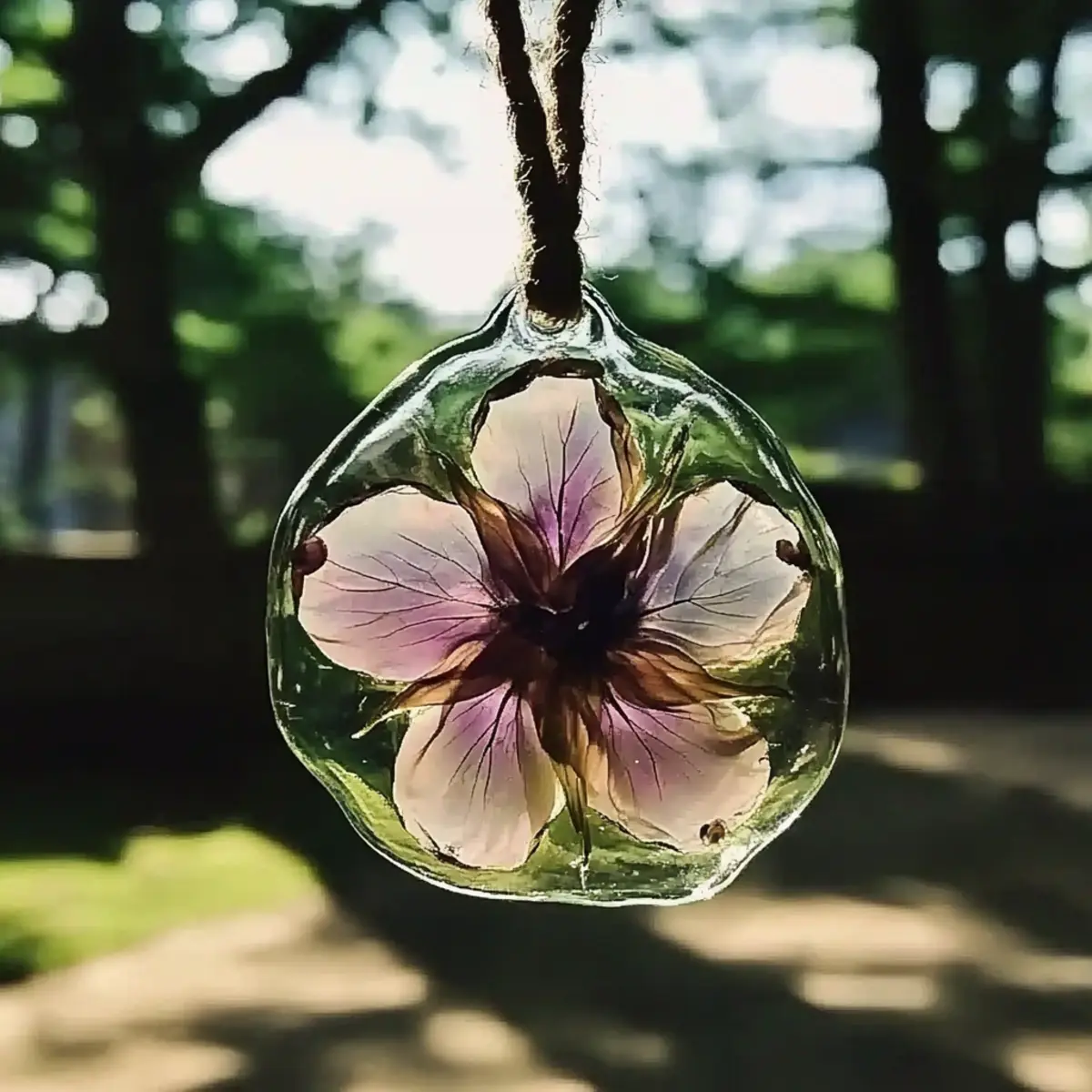
Very! DIY Bioplastic Suncatchers are made from non-toxic materials like unflavored gelatin and natural decorations. However, it’s always wise to keep an eye on younger children, as they might be tempted to nibble on them. They’re compostable, so once they’re past their prime, feel free to dispose of them in your compost bin!
DIY Bioplastic Suncatchers: Eco-Friendly Art That Shines Bright!
Ingredients
Equipment
Method
- In a mixing bowl, combine the unflavored gelatin with boiling water, stirring until it's completely dissolved.
- Incorporate a few drops of food coloring and any essential oils into the gelatin mixture for a colorful and aromatic effect.
- Gather chosen loose parts from nature and arrange them in the plastic lids or molds.
- Carefully fill the molds with the gelatin mixture over the decorative items, ensuring it's well covered.
- Allow the suncatchers to dry flat on a towel or tray for 24 hours.
- Once dried, gently remove the suncatchers from the molds and attach string or yarn for hanging.
Leave a Reply