
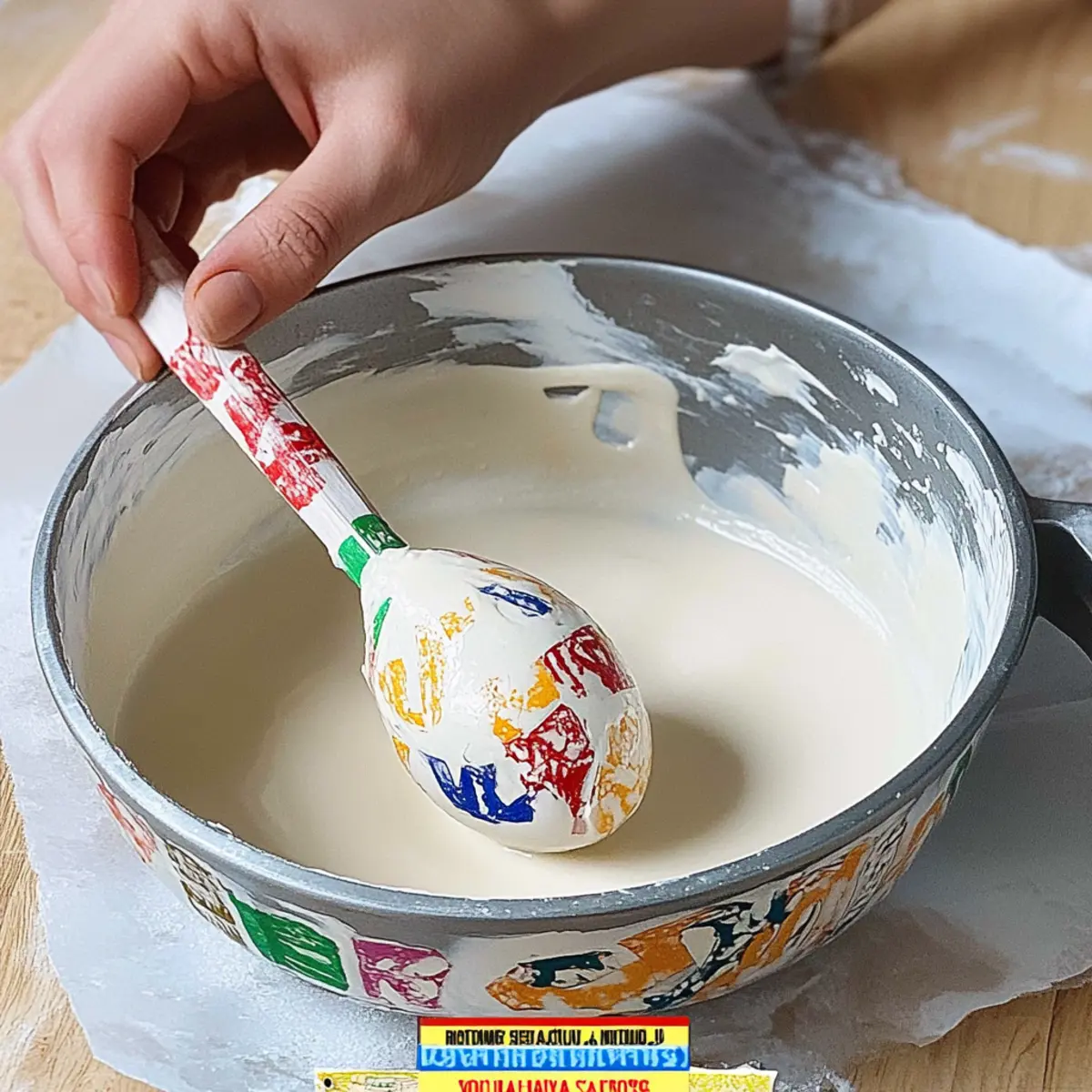
Crafting has always had a special place in my heart, with each project bringing a delightful sense of satisfaction. Recently, I found myself yearning to delve into the world of paper mache. There’s something so rewarding about transforming simple paper into art, whether it’s a whimsical mask or a stunning sculpture. But before I could start, I realized I needed the perfect glue. That’s when I discovered how to make paper mache glue at home!
With just two everyday ingredients—flour and water—you can whip up a cost-effective adhesive that works wonders for all your crafting needs. Whether you’re a seasoned DIY enthusiast or just exploring the world of arts and crafts, this recipe offers both a no-cook option and a cooked version that yield a smooth, sticky consistency. Get ready to unleash your creativity and elevate your projects with this simple glue recipe that the whole family can enjoy!
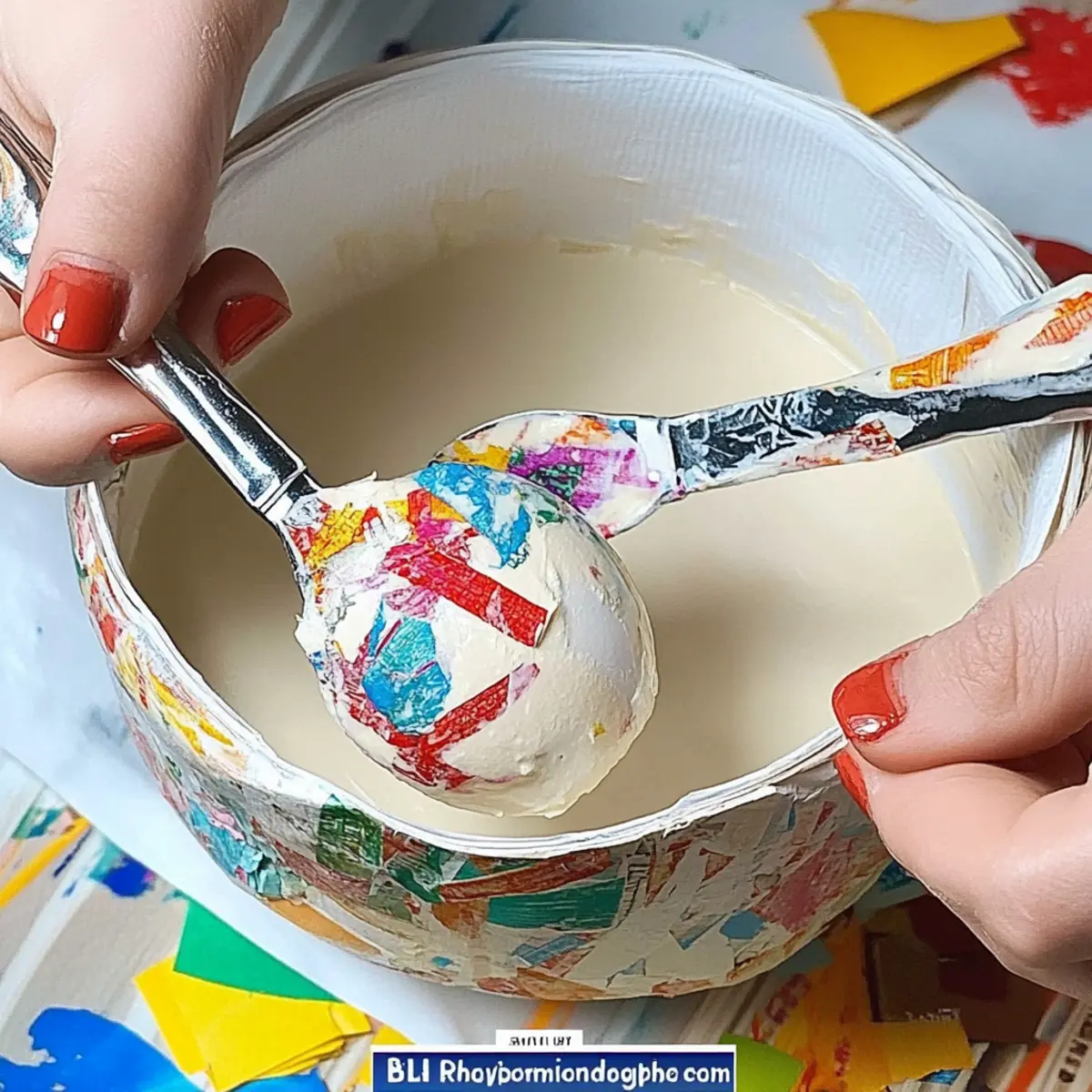
Why Make Paper Mache Glue at Home?
Cost-Effective: Making your own glue saves money, allowing for more supplies to fuel your creativity.
Easy Process: With just flour and water, anyone can create this adhesive in minutes—it's as simple as mixing ingredients!
Versatile Use: Perfect for various crafting projects, this glue adapts to your needs, whether you're making masks, sculptures, or decorations.
Fun For All Ages: Engage kids and adults alike in crafting, making it a fantastic family activity.
Sustainable Solution: Ditch the store-bought options and create an eco-friendly adhesive that works just as well!
Personal Touch: Enjoy the satisfaction of using a homemade product that enhances your artistic expression!
How to Make Paper Mache Glue Ingredients
For the No-Cook Glue
• All-Purpose White Flour – Acts as the adhesive base. Substitution Note: Other flours or gluten-free options may not provide the same stickiness.
• Water – Solvent that activates the flour. Tip: Using warm water helps mix the flour more easily for a smoother texture.
For the Cooked Glue
• All-Purpose White Flour – Same adhesive base but cooked to enhance consistency.
• Water – Needed for cooking; it helps create a thick paste when heated.
How to Make Paper Mache Glue
Combine Ingredients: In a bowl, for the no-cook version, add 1 part flour to 2 parts water. If making the cooked version, mix the same ratios in a saucepan.
Mix Thoroughly: Whisk the mixture gradually. This step is crucial! For no-cook glue, ensure there are no lumps. For cooked glue, stir until blended.
Cook the Glue: If using the cooked version, heat the mixture over medium heat. Stir constantly until it thickens and resembles a paste.
Cool It Down: For both versions, let the glue cool completely before using. This ensures an easy application and prevents burns with hot glue.
Store Properly: Transfer any leftover glue into an airtight container and refrigerate it. The no-cook glue can be refrigerated for a few hours before use.
Optional: You can adjust the consistency by adding more water for a thinner glue or more flour for a thicker mix.
Exact quantities are listed in the recipe card below.
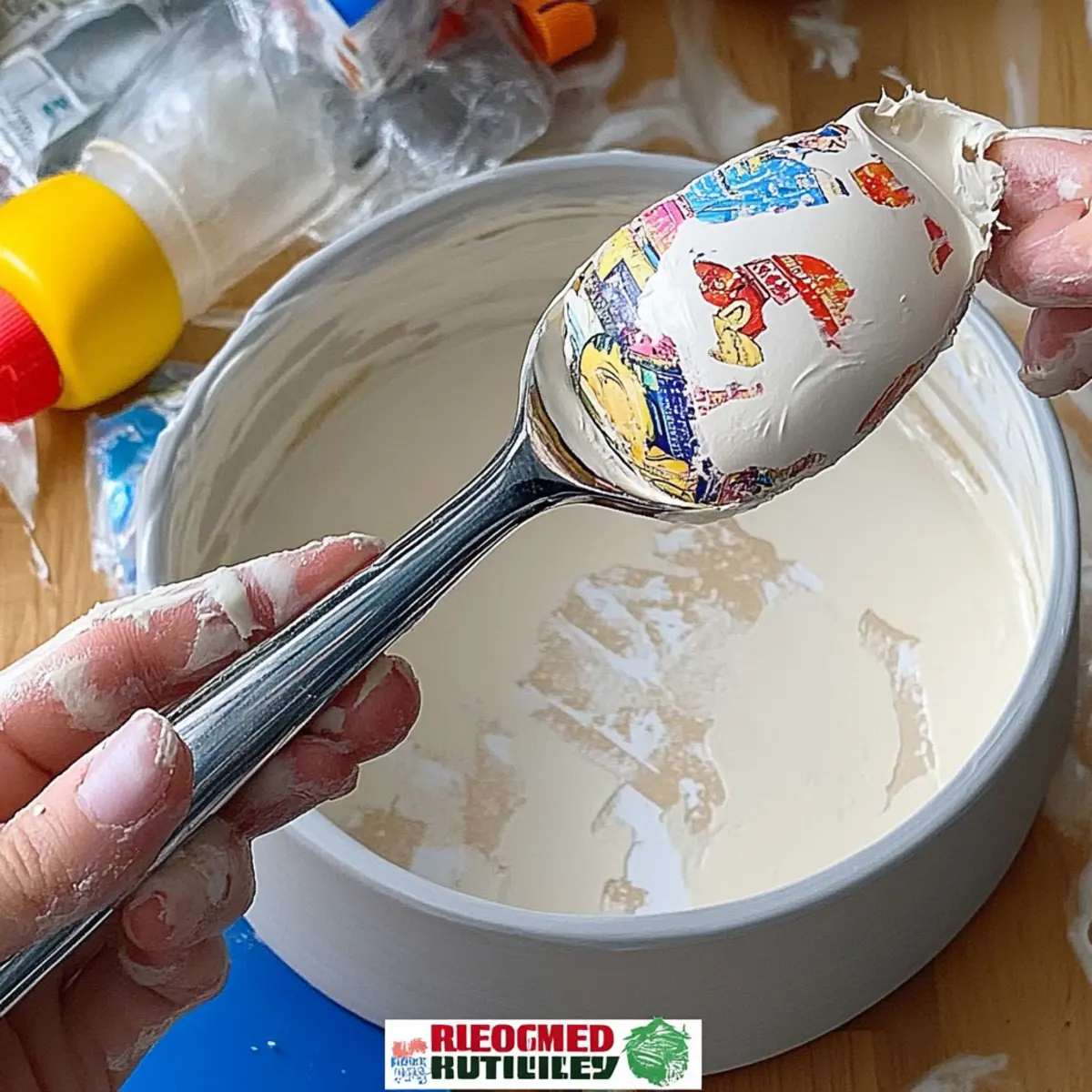
Paper Mache Glue Variations
Feel free to tailor your paper mache glue recipe to suit your crafting adventures with these exciting twists and adjustments!
Gluten-Free Substitute: Use gluten-free flour for a similar sticking power, keeping your perfect project inclusive for all.
Starch Boost: Add a tablespoon of cornstarch to the flour for a thicker adhesive; this enhances the glue's viscosity beautifully.
Natural Sweetener: Incorporate a teaspoon of sugar in the no-cook version; it helps preserve the glue and adds a subtle sweetness.
Environmentally Friendly: Use vegetable-based adhesives, like tapioca starch glue, for an eco-conscious choice without compromising on stickiness.
Colorful Glue: Add food coloring or natural dyes to the mixture for vibrant hues; it can make your glue even more fun for kids’ projects.
Essential Oil Infusion: A few drops of essential oils can add a pleasant scent, turning your crafting session into a sensory delight.
Texture Variations: Mix in small bits of recycled paper for additional texture; this helps reinforce larger projects and adds a unique touch.
Heat Resistance: For more durability, consider blending in a small amount of PVA glue; this creates a stronger bond for demanding projects.
Unleash your creativity by mixing and matching these ideas, making every project uniquely yours!
How to Store and Freeze Paper Mache Glue
Fridge: Store homemade paper mache glue in an airtight container in the refrigerator for up to 3 days for optimal freshness and stickiness.
Freezer: For longer storage, freeze the glue in small portions using ice cube trays. It can last up to 2 months; simply thaw before use.
Reheating: Gently reheat stored glue in a saucepan over low heat, stirring until it reaches a smooth consistency again. Avoid boiling to maintain its adhesive properties.
Use Fresh: For best results, it's ideal to make only what you need, as fresh glue works best for your crafting adventures!
Make Ahead Options
These Homemade Paper Mache Glue recipes are perfect for busy crafters looking to streamline their projects! You can easily prepare the no-cook version by mixing the flour and water in advance and refrigerating it in an airtight container for up to 3 days. This helps save time when you’re ready to create, as the mixture will be ready to go—just give it a good stir before use. For the cooked version, you can make it up to 24 hours ahead; simply store it in the fridge after it cools down completely. Reheat gently using low heat and stir until you achieve the desired consistency, ensuring it remains just as adhesive and effective as when freshly made.
What to Serve with Homemade Paper Mache Glue?
Creating delightful crafts with the kids or diving into an art project brings happiness and a sense of achievement.
- Art Supplies: Fill your crafting space with vibrant papers, paints, and embellishments that inspire creativity and complement your glue work.
- Protective Covers: Using plastic sheets or old newspapers to cover surfaces helps prevent messes, allowing for a carefree crafting experience.
- Storage Containers: Have airtight containers ready for storing your homemade glue, keeping it fresh and ready for your next crafting session.
- Tape and Scissors: Equip yourself with these handy tools; they’re essential for any craft project, ensuring everything sticks and shapes beautifully.
- Guided Crafting Books: Inspire your creativity with books that provide step-by-step instructions for various paper mache projects.
- Family Time: Gather everyone around the crafting table; this is not just a project but a chance to bond and share laughs over creative endeavors.
- Relaxing Music: Set the mood with some soft music playing in the background, enhancing the creative atmosphere for a peaceful crafting journey.
Expert Tips for Paper Mache Glue
• Mix Gradually: Start with small amounts of water to avoid lumps. This ensures your glue remains smooth, making it easier to work with.
• Use Warm Water: When making the no-cook version, warm water helps the flour dissolve faster, giving you a silkier consistency for your paper mache projects.
• Layer with Patience: Allow each layer of your paper mache to dry completely before adding more. This builds stronger structures and prevents messes.
• Storage Reminder: Homemade glue can spoil quickly. Always store it in an airtight container in the refrigerator and aim to use it fresh for the best adhesive quality.
• Adjust for Projects: Don’t hesitate to customize the glue's thickness by varying the flour and water ratios. This flexibility is key when crafting intricate designs!
Remember, creating your own paper mache glue gives you control and can inspire even more fun projects.
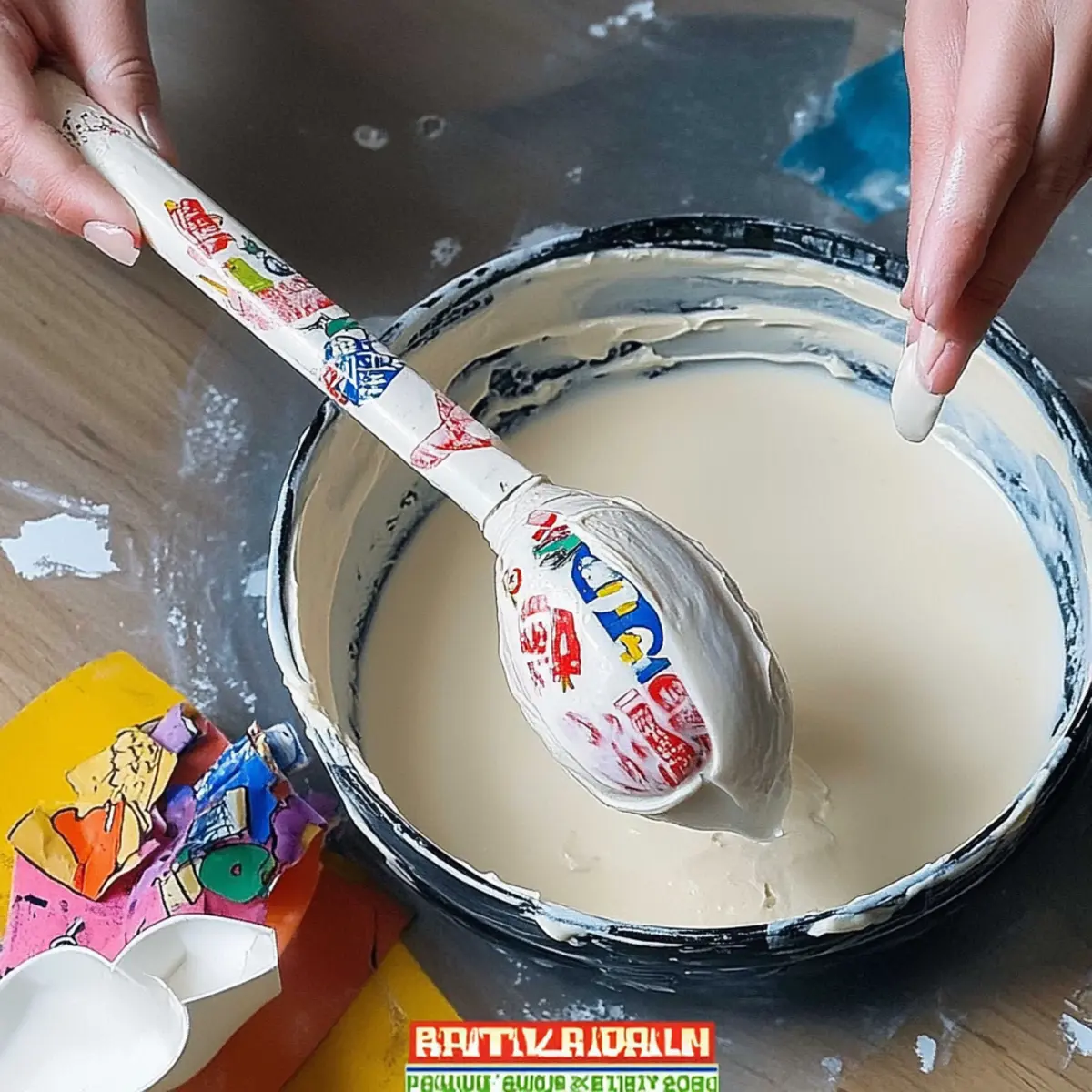
Homemade Paper Mache Glue Recipe FAQs
What type of flour is best for homemade paper mache glue?
I recommend using all-purpose white flour as it creates the strongest adhesion. Other flours, including whole wheat or gluten-free varieties, may not offer the same stickiness essential for your projects.
How long can I store homemade paper mache glue?
Store your glue in an airtight container in the refrigerator for up to 3 days. It's important to use it fresh for optimal results, as homemade adhesives can spoil quickly.
Can I freeze homemade paper mache glue?
Absolutely! You can freeze your glue in small portions using ice cube trays. It will last for about 2 months. Just remember to thaw it in the refrigerator before use, and gently reheat on low to restore its smooth consistency.
What should I do if my glue is too thick or too thin?
If your glue turns out too thick, simply add a little more water while mixing. For thin glue, gradually incorporate more flour until you achieve your desired consistency. Always mix slowly to avoid lumps!
Is this glue safe for children and pets?
Yes, this homemade paper mache glue is non-toxic and safe for children to use during crafting. However, keep it stored safely out of reach of pets, as they might be tempted to taste it!
How do I ensure my paper mache project layers adhere properly?
To improve adherence, make sure to cover all surfaces of your paper with glue and allow each layer to dry completely before adding the next. This helps build a sturdy structure without unwanted collapses!
Easy How to Make Paper Mache Glue Recipe and Tips for Success
Ingredients
Equipment
Method
- In a bowl, for the no-cook version, add 1 part flour to 2 parts water. If making the cooked version, mix the same ratios in a saucepan.
- Whisk the mixture gradually until there are no lumps for no-cook glue, or until blended for cooked glue.
- If using the cooked version, heat the mixture over medium heat. Stir constantly until it thickens and resembles a paste.
- Let the glue cool completely before using to ensure easy application and prevent burns.
- Transfer any leftover glue into an airtight container and refrigerate it.
Leave a Reply