

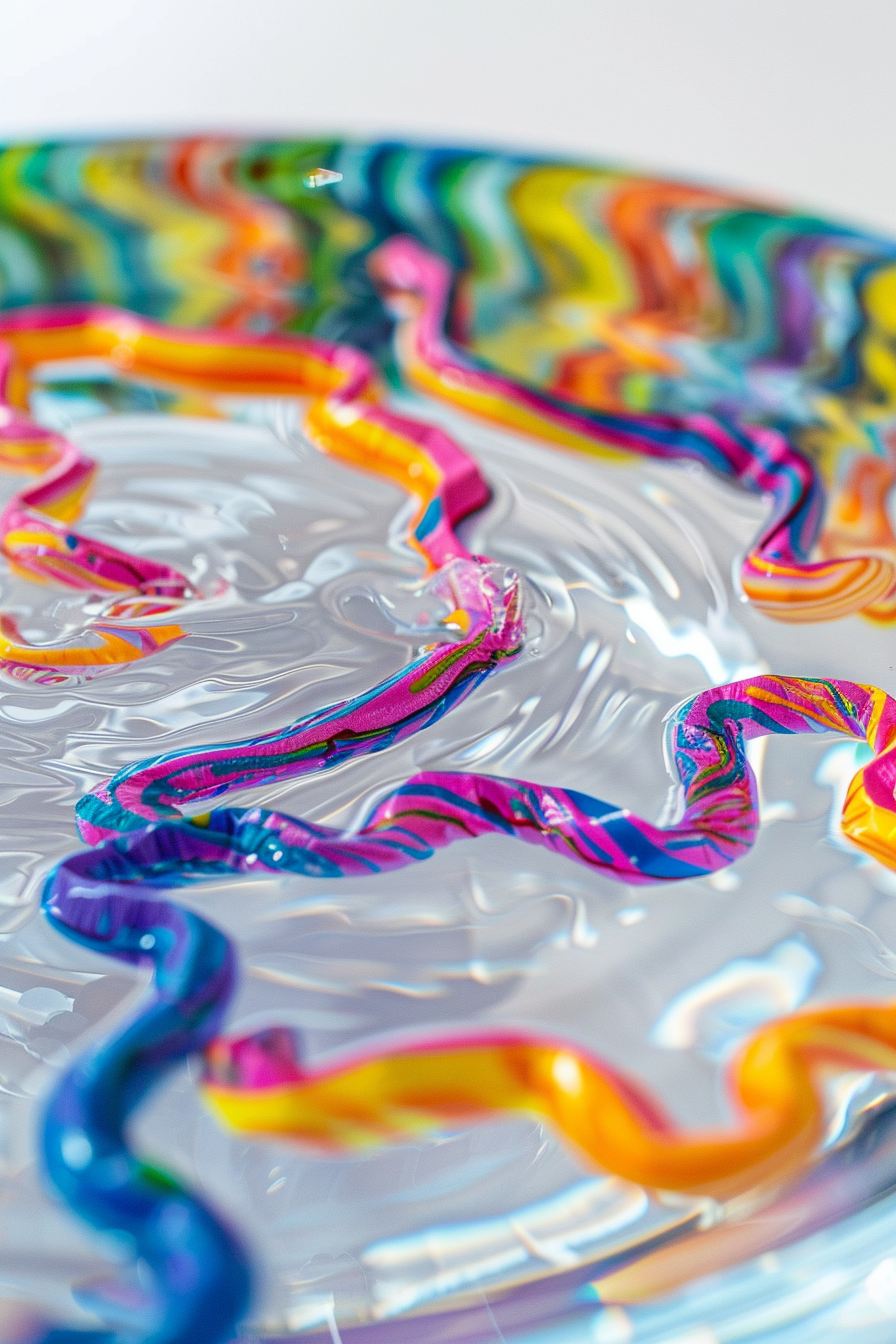
The Paper Worm Experiment is a simple and fascinating science activity that uses paper, markers, and water to create the illusion of a crawling worm. Children love watching the paper curl and wiggle as it absorbs water, making this experiment a fun way to explore basic scientific concepts such as capillary action and material expansion.
This easy STEM activity requires only a few household supplies and provides a great opportunity to combine creativity with hands-on learning.
One afternoon, we were looking for a quick science project that didn't require special materials. After drawing colorful paper worms and placing them on a plate of water, we were amazed to see them slowly begin to move and curl. The excitement of watching a flat piece of paper come to life sparked plenty of questions about how water affects different materials. Since then, this paper worm experiment has become a favorite because it is inexpensive, easy to set up, and always surprises first-time participants.
Ingredients
Equipment
Method
- Draw a worm shape on printer paper.
- Cut out the worm.
- Wrap the worm around a pencil to curl it.
- Pour a thin layer of water into a shallow plate.
- Place the worm in the water and observe the movement.
Notes
Tried this recipe?
Let us know how it was!Why Kids Love This Experiment
Looks Like Magic
The paper appears to move on its own when placed in water, creating an exciting visual effect.
Quick and Easy Setup
Most of the supplies can be found at home, making it perfect for spontaneous science fun.
The experiment is simple enough for young learners while still teaching important scientific principles.
Materials You'll Need
Basic Supplies
- White printer paper
- Washable markers
- Scissors
- Shallow plate or tray
- Water
Optional Supplies
- Colored paper
- Permanent markers
- Eyeball stickers
- Glitter pens
These additions allow children to personalize their worms.
How to Make a Paper Worm
Step 1: Draw Your Worm
Using markers, draw a long worm shape on a piece of paper.
Make it approximately:
- 4–6 inches long
- 1 inch wide
Add eyes, stripes, or other decorations.
Step 2: Cut Out the Worm
Carefully cut along the outline.
You should now have a flat paper worm.
Step 3: Curl the Worm
Wrap the paper worm around a pencil.
Hold it for several seconds to create a curled shape.
Remove it carefully so the curl remains.
Step 4: Prepare the Water
Pour a thin layer of water onto a shallow plate or tray.
Only a small amount is needed.
Step 5: Place the Worm in Water
Set the curled paper worm gently onto the water.
Watch closely as it begins to uncurl, twist, and move.
The Science Behind the Experiment
Water Absorption
Paper is made of tiny fibers that absorb water.
When one side of the paper absorbs water faster than the other, it expands.
Uneven Expansion
Because the paper absorbs water unevenly, it changes shape and begins to uncurl.
This movement creates the appearance of a living worm.
Capillary Action
Water travels through the tiny spaces between paper fibers through a process called capillary action.
This movement contributes to the curling and stretching effect.
Educational Benefits
Introduces STEM Concepts
Children learn about:
- Water absorption
- Capillary action
- Material properties
- Scientific observation
Encourages Curiosity
Kids often want to test different variables, making this experiment perfect for scientific exploration.
Fun Variations
Rainbow Worms
Use multiple marker colors to create bright designs.
Giant Worms
Make larger worms and compare their movement.
Thick vs Thin Paper
Try:
- Printer paper
- Construction paper
- Cardstock
Observe which moves best.
Worm Race
Create several worms and see which one uncurls first.
Tips for Success
Use Thin Paper
Regular printer paper works best because it absorbs water quickly.
Curl Tightly
A tighter curl produces more dramatic movement.
Don't Overfill the Tray
Too much water can flatten the worm too quickly.
Experiment With Shapes
Try spirals, snakes, or other curved designs.
Frequently Asked Questions
Why does the worm move?
The paper absorbs water and expands unevenly, causing it to uncurl.
What paper works best?
Standard printer paper typically produces the best results.
Can I use colored paper?
Yes, but some colored papers absorb water differently.
Is this experiment safe?
Yes. Adult supervision is recommended when using scissors.
Can I reuse the worm?
Once wet, the worm usually loses its curl and is best remade for future experiments.
Conclusion
The Paper Worm Experiment is a simple, inexpensive STEM activity that transforms an ordinary piece of paper into a moving science demonstration. By combining creativity with scientific discovery, children can learn about water absorption and capillary action while having fun. Whether used in a classroom, homeschool setting, or as an afternoon activity, this experiment is sure to capture attention and inspire curiosity.
Leave a Reply