

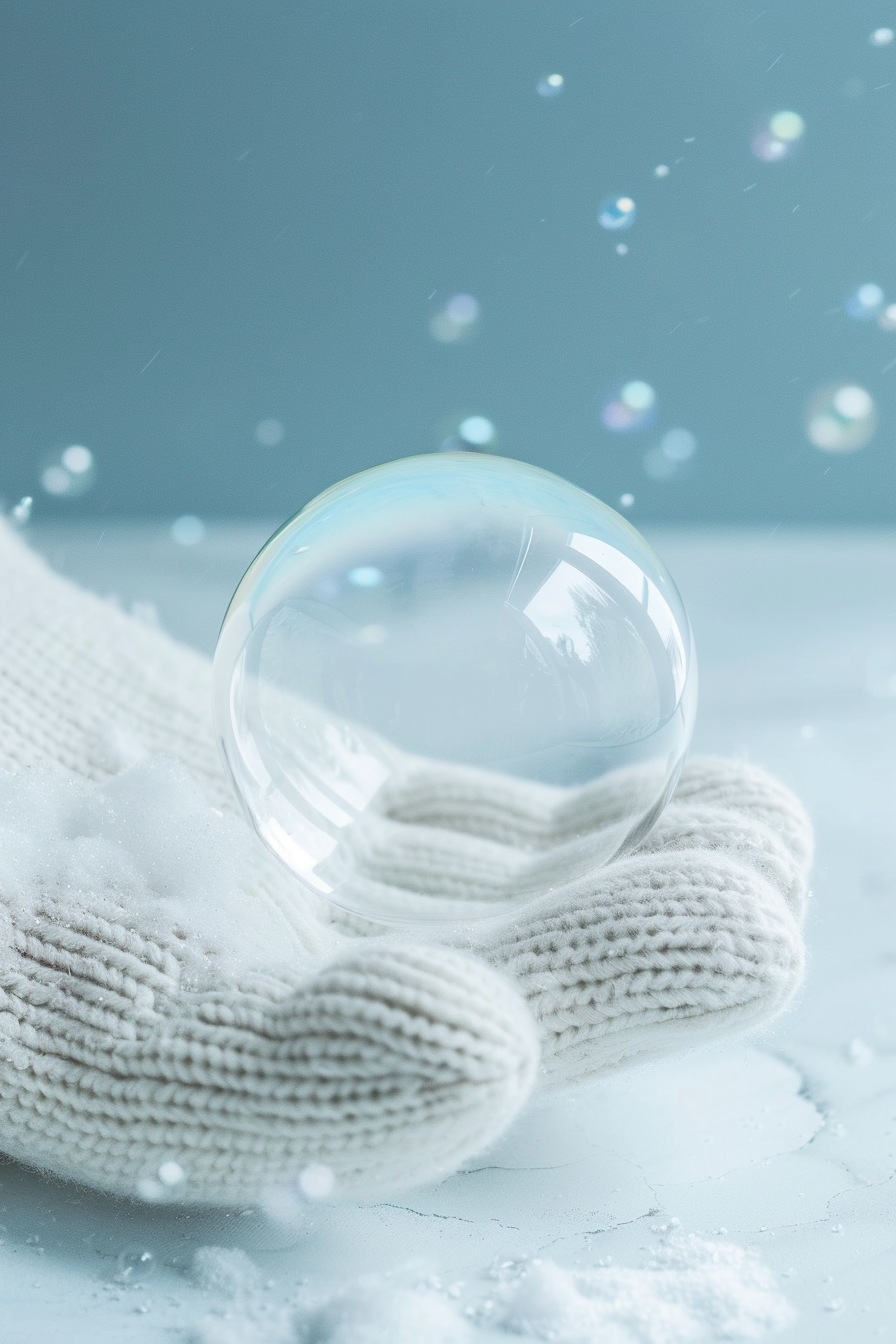
Bouncing Bubbles are a fun, simple, and surprising science activity that kids can make with basic kitchen supplies. With warm water, sugar, dish soap, a bubble wand, and a soft glove, children can blow bubbles that last long enough to gently bounce on their hands. It feels magical, yet the activity also teaches real science about surface tension, evaporation, and how bubbles form.
This hands-on project works well for summer play, classroom STEM lessons, birthday party activities, backyard fun, or a quick indoor experiment. Since the recipe uses common supplies, it is easy to set up in just a few minutes. Kids love trying to catch the bubbles, count the bounces, and test which bubble sizes last the longest.
One afternoon, we wanted an activity that felt playful but still taught something new. We mixed warm water, sugar, and dish soap in a small bowl, then let the solution cool. After dipping the wand and blowing the first bubble, it floated gently toward a gloved hand and actually bounced. Everyone laughed and immediately wanted another turn. Soon, we were testing bigger bubbles, smaller bubbles, and different bouncing techniques. Since then, Bouncing Bubbles have become a favorite because they are easy, inexpensive, and full of hands-on science fun.
Ingredients
Equipment
Method
- Gather all supplies and materials.
- Pour warm water into a small bowl.
- Add sugar and stir until it dissolves.
- Add dish soap and stir gently to combine.
- Let the bubble solution cool to room temperature.
- Put a soft winter glove on one hand.
- Dip a bubble wand into the solution.
- Blow bubbles and gently catch them on the gloved hand.
- Bounce the bubbles softly and count how many bounces each one lasts.
Notes
Tried this recipe?
Let us know how it was!Why Bouncing Bubbles Work So Well
A Simple Activity with a Big Wow Factor
Bouncing Bubbles feel impressive because most people expect bubbles to pop as soon as they touch anything. However, this bubble solution creates stronger bubbles that can survive gentle contact.
The sugar helps slow evaporation, while the dish soap helps the water stretch into a bubble shape. Because the bubble lasts longer, kids can catch it on a soft glove and bounce it carefully.
This makes the activity exciting for young children, older kids, and adults. It also encourages patience because gentle movements create the best results.
Perfect for STEM Learning
Bouncing Bubbles introduce science in a playful way. Kids can observe what happens when soap changes water’s surface tension. They can also learn why sugar makes bubbles stronger.
Additionally, the activity encourages testing and comparing. Children can try different bubble wand sizes, different gloves, cold solution, room-temperature solution, or bubble solution that rests overnight.
Because each test creates visible results, kids naturally start asking questions and making predictions.
Supplies You Need
Basic Bubble Ingredients
To make Bouncing Bubbles, you need warm water, sugar, and dish soap. Warm water helps dissolve the sugar quickly. Dish soap creates the bubble film, while sugar strengthens the mixture.
Use gentle stirring when combining the soap. If you stir too roughly, the mixture may become foamy before you even start blowing bubbles.
Let the solution cool to room temperature before using it. Cooler bubble solution often works better because the water evaporates more slowly.
Tools for Bubble Play
You will also need a small bowl, spoon, bubble wand, and a soft winter glove.
The glove matters because bare hands usually pop bubbles right away. Skin contains oils and has texture that can break the bubble film. A soft glove cushions the bubble and helps it bounce without popping.
If you do not have a winter glove, a clean soft sock over your hand can also work.
How to Make Bouncing Bubbles
Mix the Bubble Solution
Pour ¼ cup warm water into a small bowl. Add 2 tablespoons of sugar and stir until the sugar dissolves.
Next, add 1 tablespoon of dish soap. Stir gently until the soap blends into the sugar water.
Let the mixture sit until it reaches room temperature. For even stronger bubbles, allow the solution to rest overnight.
Blow, Catch, and Bounce
Put a soft winter glove on one hand. Then dip the bubble wand into the solution.
Blow a bubble and let it float toward the gloved hand. Gently catch it and bounce it with slow, soft movements.
Try not to slap or poke the bubble. Instead, let it land lightly and lift your hand smoothly. With practice, kids can bounce one bubble several times before it pops.
The Science Behind Bouncing Bubbles
How Bubbles Form
A bubble has air inside and a thin wall made of water and soap. Soap lowers the surface tension of water, which allows the water to stretch around the air.
Without soap, water does not stretch enough to form long-lasting bubbles. It pulls back together quickly, which makes bubbles pop almost immediately.
When soap enters the mixture, it creates a flexible film that can hold air for a short time.
Why Sugar Helps
Bubbles pop when the water in the bubble film evaporates or when the film breaks.
Sugar helps the bubble last longer because it bonds with water molecules and slows evaporation. As a result, the bubble film stays moist and stronger for more time.
That extra strength allows the bubble to touch a soft glove and bounce instead of popping instantly.
Tips, Variations, and Troubleshooting
Best Tips for Success
Use a soft winter glove for best results. Smooth rubber or plastic gloves usually do not work as well.
Let the bubble solution cool before using it. Also, avoid windy areas because moving air can pop bubbles quickly.
If bubbles keep popping too fast, let the solution rest longer. You can also try distilled water, which may work better because it has fewer minerals.
Fun Experiment Ideas
Test different bubble wand sizes and compare which bubbles bounce longer. Smaller bubbles may be easier to control, while larger bubbles look more dramatic.
You can also compare fresh bubble solution with overnight bubble solution. Another fun test is room-temperature solution versus chilled solution.
For a challenge, count how many times each person can bounce one bubble before it pops.
Frequently Asked Questions
Can I make Bouncing Bubbles without sugar?
You can make regular bubbles without sugar, but they usually will not bounce as well.
What glove works best?
A soft winter glove works best because it cushions the bubble and protects the thin bubble film.
Can I use store-bought bubble solution?
Yes. Mix about ⅓ cup store-bought bubble solution with 2 tablespoons of sugar for stronger bouncing bubbles.
Why do my bubbles pop right away?
The solution may be too warm, the glove may not be soft enough, or the bubble may be touching skin, dirt, or a rough surface.
Can I use corn syrup instead of sugar?
Yes. Corn syrup or glycerin can also help make stronger bubbles.
Conclusion
Bouncing Bubbles are a simple, exciting, and educational activity that turns ordinary bubble play into a hands-on science experiment. With only water, sugar, dish soap, and a soft glove, kids can explore surface tension, evaporation, and bubble strength in a fun way. Whether you use it for outdoor play, a classroom lesson, or a quick family activity, this project brings plenty of smiles and learning.
Leave a Reply