
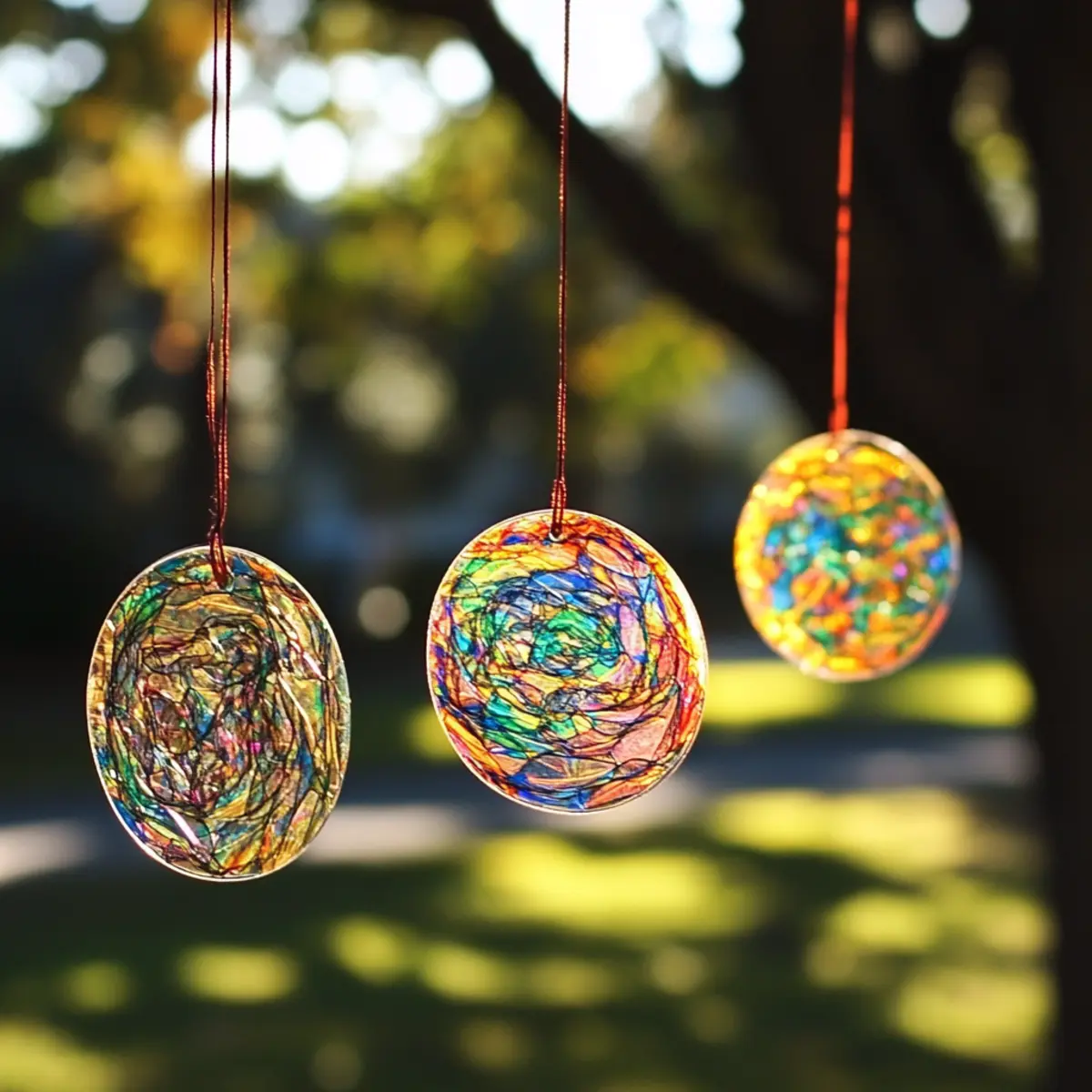
When sunlight streams through your windows, there’s nothing quite like the sight of vibrant colors dancing across the room. I discovered the joy of crafting DIY Bioplastic Suncatchers on a rainy afternoon with my kids, transforming a potentially dreary day into a creative adventure. Using simple, eco-friendly ingredients like corn starch and vinegar, we whipped up these delightful, biodegradable decorations that not only brighten our space but also promote sustainability.
These suncatchers are a wonderful project for anyone seeking an engaging way to spark creativity and teach kids about reducing plastic waste. Whether you're a seasoned crafter or just looking for a fun weekend activity, you'll find that making these colorful gems is both easy and fulfilling. Plus, they’re a fantastic way to mix art with an important environmental message. Let’s dive into this simple recipe and transform your home into a sunlit gallery—one suncatcher at a time!
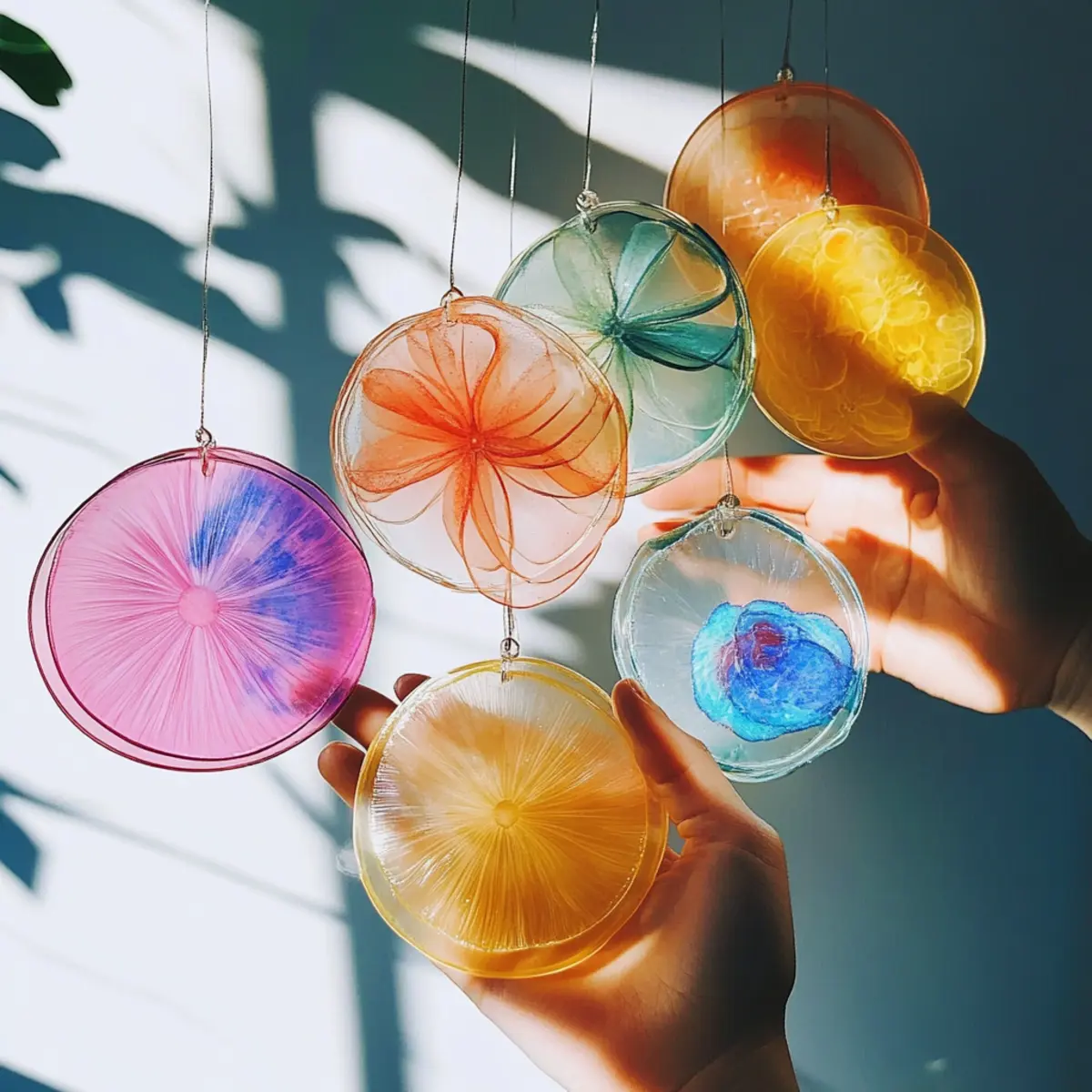
Why You'll Love DIY Bioplastic Suncatchers
Simplicity at Its Best: This project requires just a few basic ingredients to create stunning suncatchers, making it perfect for crafters of all ages.
Eco-Friendly Fun: You'll love knowing that you're reducing plastic waste while making beautiful decor for your home.
Creative Expression: The versatility of colors and shapes allows everyone to put their unique spin on each creation.
Perfect for Family Bonding: Gather the kids for a fun-filled crafting session that brings everyone together in creativity.
Stunning Visuals: Watch as sunlight filters through these colorful gems, casting brilliant hues across your space.
For more exciting crafting ideas, check out our other engaging DIY Crafts!
DIY Bioplastic Suncatchers Ingredients
Get ready to craft!
For the Base Mixture
- Corn Starch – This is the essential ingredient that gives structure to your DIY bioplastic suncatchers. You can also substitute with other starches like potato or tapioca, but note that results may vary.
- Water – Binds all the ingredients together to create a smooth mixture. There are no recommended substitutions for this ingredient.
- Vinegar – Acts as a stabilizing agent, enhancing the durability of your suncatchers. Use it in moderation for best results.
For the Color
- Food Coloring – This is what brings your project to life with vibrant colors. You may opt for natural alternatives like beet juice or spinach for a more eco-friendly approach.
Remember, making DIY Bioplastic Suncatchers is a fun way to express creativity while being kind to the planet!
How to Make DIY Bioplastic Suncatchers
Mix Ingredients: In a medium saucepan, combine 1 cup corn starch, 2 tablespoons vinegar, and 2 tablespoons water. Stir the mixture until it’s smooth and well blended. This is the foundation of your bioplastic.
Heat the Mixture: Place the saucepan over medium heat and stir continuously. Keep mixing until the mixture thickens to a gel-like consistency, which should take about 5-7 minutes. Ensure it's not too thick or too runny.
Cool Slightly: Once thickened, remove the saucepan from heat and let the mixture cool for a few minutes. You want it warm, but not too hot to handle.
Add Color: Divide the slightly cooled mixture into separate bowls. Add food coloring or natural dyes to each bowl and mix until the colors are vibrant and well distributed. This is where creativity shines!
Shape Your Suncatchers: Pour the colored mixture into molds or onto a flat surface. You can use cookie cutters to make fun shapes. Make sure they are evenly spread for consistency.
Dry Completely: Allow the suncatchers to dry in a warm, dry area for several hours or until they are completely hardened. This is crucial for the durability of your creations.
Optional: Consider adding a sprinkle of glitter for extra sparkle before the mixture sets!
Exact quantities are listed in the recipe card below.
How to Store and Freeze DIY Bioplastic Suncatchers
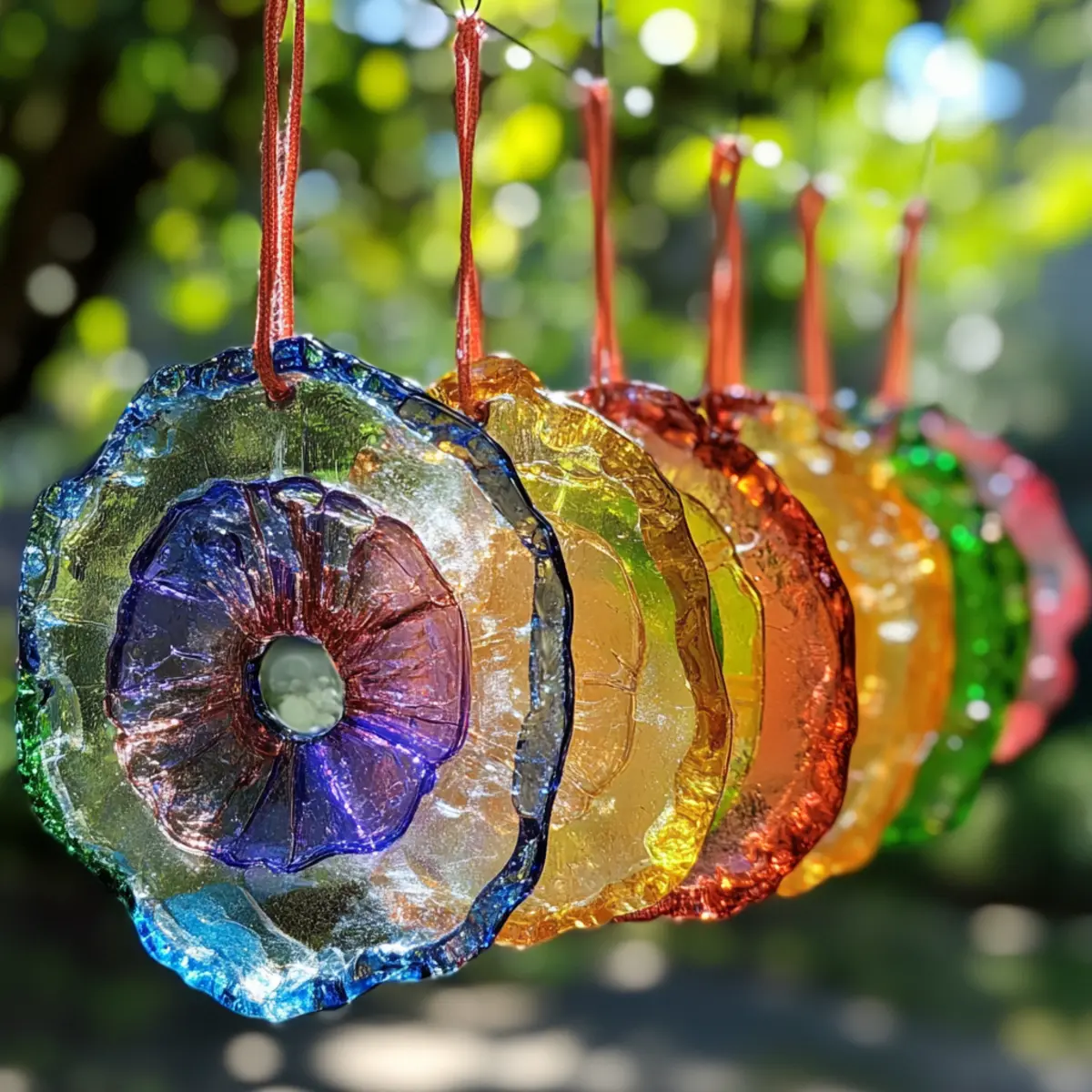
Room Temperature: Store completed suncatchers in a breathable container away from direct sunlight to prevent fading. Avoid stacking them to maintain their shape.
Fridge: If you have leftover bioplastic mixture, place it in an airtight container in the refrigerator, where it can last for up to 3 days.
Freezer: It's not recommended to freeze the finished suncatchers, as the freezing process can affect their texture and durability.
Reheating: If stored mixture becomes too thick after refrigeration, gently heat it in the saucepan over low heat, stirring until it reaches a workable consistency again.
Variations & Substitutions for DIY Bioplastic Suncatchers
Feel free to let your creativity shine by adjusting this eco-friendly project to suit your style!
- Natural Dyes: Substitute food coloring with beet juice, turmeric, or spinach for a more environmentally-friendly approach.
- Sweetened Version: Add a touch of sugar to your mixture before heating; this can enhance the texture slightly and create a richer finish.
- Textured Variety: Mix in dried flowers or leaves for a beautiful, organic look that adds depth and texture to your suncatchers.
- Glitter Boost: Incorporate biodegradable glitter to make your suncatchers sparkle even more, catching sunlight in a magical way!
- Flavor Infusion: For a fun twist, add a few drops of essential oils to your mixture for a delightful scent that can fill the air around your creations.
- Shape Options: Instead of conventional molds, try using recycled plastic cookie containers or bottle caps for unique designs—making each suncatcher one-of-a-kind.
- Layered Colors: Pour one color, let it set for a bit, then pour another layer for gorgeous, multi-dimensional effects—perfect for experimenting with hues!
- Surface Texturing: Before the mixture sets, gently press a textured surface (like a leaf or lace) into the top to create beautiful patterns that add an artistic touch.
By mixing and matching these ideas, you'll create enchanting suncatchers that reflect your unique essence!
Expert Tips for DIY Bioplastic Suncatchers
Drying Location Matters: Ensure that your suncatchers dry in a warm, dry area. If they remain soft after drying, give them extra time until completely firm.
Colorfully Creative: Experiment with different shades by using food coloring or natural dyes, but be mindful that some colors may require more pigmentation to stand out.
Mix-In Fun: Add a touch of glitter or sequins to your mixture for added sparkle. This can elevate your suncatchers and make them even more eye-catching.
Storage Solutions: Stow any leftover bioplastic mixture in an airtight container in the refrigerator for a few days, minimizing waste and allowing another crafting session later.
Playful Shapes: Use cookie cutters for unique designs. Experimenting with shapes will add charm and personalization to your DIY bioplastic suncatchers.
What to Serve with DIY Bioplastic Suncatchers?
Brighten up your crafting experience by pairing these vibrant suncatchers with activities that inspire creativity and sustainability!
Nature Walks: Take a stroll outdoors to gather natural materials like leaves and flowers. These can enhance your suncatcher display or inspire new designs.
Eco-Friendly Snacks: Enjoy some healthy, organic snacks like fruit skewers or veggie sticks to complement the eco-friendly theme while you craft.
Art Supplies: Have a variety of paints, markers, or stickers handy for personalization. These tools allow each suncatcher to reflect its creator's unique style!
Crafting Playlist: Create a playlist of upbeat and inspiring songs to set a joyful atmosphere during your crafting session. Music can uplift spirits and spark motivation.
Garden Decorations: Use completed suncatchers to adorn your garden or indoor plants. Their vibrant colors add a magical touch to any space!
Sipping Choices: Refresh with herbal iced teas or homemade lemonade while crafting. These drinks keep you cool and add a delightful taste to your day of creativity.
Let your imagination soar as you complement your creative pursuits with these delightful additions!
Make Ahead Options
These DIY Bioplastic Suncatchers are perfect for busy crafters who want to get a head start! You can prepare the bioplastic mixture up to 24 hours in advance; simply store it in an airtight container in the refrigerator. When you're ready to work on your suncatchers, allow the mixture to come to room temperature before proceeding with the coloring and shaping steps. For the best results, keep the mixture sealed to prevent it from drying out or forming a crust. Once you shape the suncatchers and they're dry, they can be displayed right away or stored in a breathable container until you're ready to enjoy your colorful creations. This way, you can turn what could be a lengthy project into a delightful afternoon of crafting!
DIY Bioplastic Suncatchers Recipe FAQs
What should I look for when selecting corn starch?
Absolutely! When selecting corn starch, choose a brand that is pure and free from additives. Look for a fine, powdery texture without clumps. If you're opting for alternatives, potato starch or tapioca starch can be used, but do keep in mind that they may change the final texture of your suncatchers slightly.
How should I store my finished suncatchers?
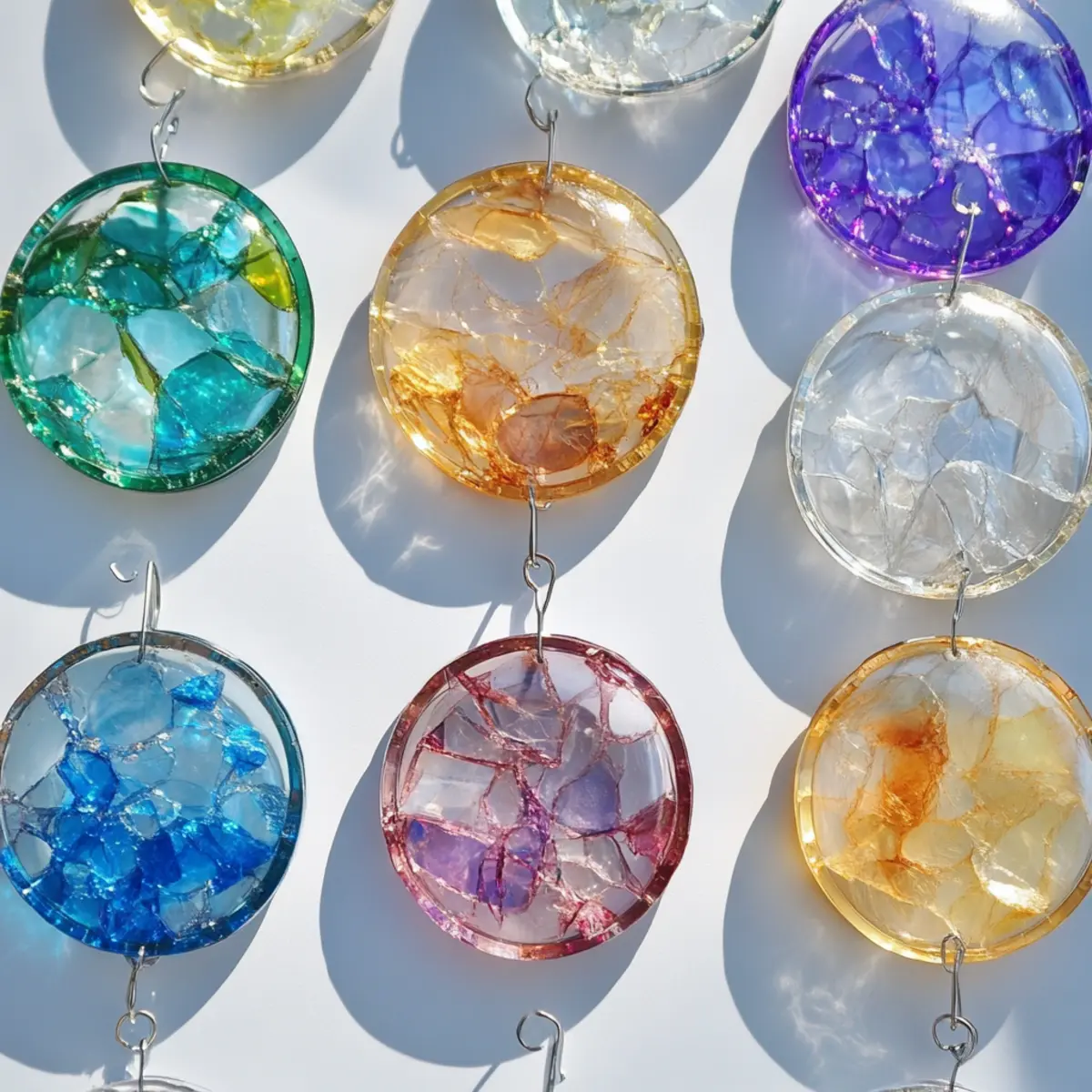
For best results, store your completed suncatchers in a breathable container at room temperature. Make sure to keep them out of direct sunlight to prevent color fading. Avoid stacking them to maintain their shape, and they can last for many months as long as they are cared for properly.
Can I freeze my DIY bioplastic suncatchers?
It's not advisable to freeze your finished suncatchers, as the freezing process can alter their texture and durability. Instead, focus on proper storage methods at room temperature to maintain their lovely appearance!
What if my suncatchers remain soft after drying?
If your suncatchers are still soft or tacky after the drying period, don’t worry! Simply leave them in a warm, dry area for an additional few hours. Ensure they're not in a humid environment, as this could hinder the drying process. If you're in a hurry, you can also place them in a low-temperature oven for an hour to set them completely.
Are there any allergies I should consider with these ingredients?
Very! While most ingredients are safe, it's essential to note that some individuals may have corn allergies, meaning corn starch might not be suitable for everyone. If you’re using natural dyes, ensure everyone is not allergic to the specific fruits or vegetables used, like beets or spinach. Always check with participants if you’re making these suncatchers in a group or with children.
Craft Exquisite DIY Bioplastic Suncatchers for Eco-Friendly Fun
Ingredients
Equipment
Method
- In a medium saucepan, combine 1 cup corn starch, 2 tablespoons vinegar, and 2 tablespoons water. Stir until smooth.
- Place the saucepan over medium heat and stir continuously until the mixture thickens to a gel-like consistency, about 5-7 minutes.
- Remove from heat and let the mixture cool for a few minutes.
- Divide the cooled mixture into bowls. Add food coloring or natural dyes and mix until vibrant.
- Pour the colored mixture into molds or onto a flat surface. Use cookie cutters for fun shapes.
- Allow the suncatchers to dry in a warm area for several hours until completely hardened.
Leave a Reply