

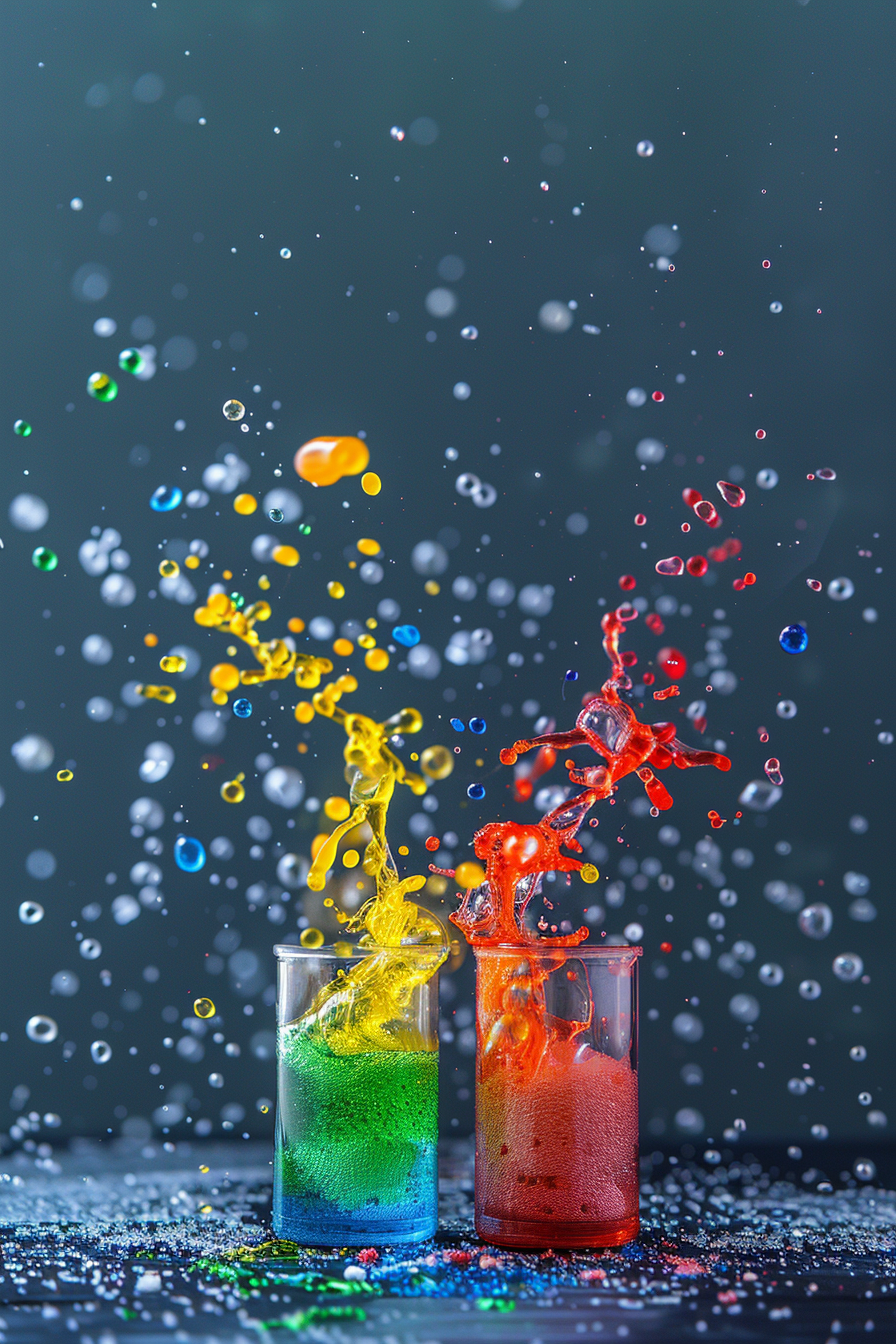
Sugar and Vinegar Fireworks is a colorful, hands-on science activity that transforms ordinary kitchen ingredients into a bubbling display of fizzing excitement. Perfect for curious kids, classrooms, homeschool lessons, or rainy-day fun, this simple experiment combines science and creativity in a way that feels like magic.
With just a few household ingredients, children can watch bright colors swirl and rise as tiny bubbles create a miniature fireworks show right before their eyes. The activity introduces basic chemistry concepts while encouraging observation, experimentation, and sensory exploration.
One afternoon, while searching for a quick activity that didn't require special supplies, we gathered sugar, baking soda, vinegar, and a few drops of food coloring. Within moments, colorful bubbles began dancing across the tray. The excitement on the children's faces as the colors fizzed and spread made this experiment an instant favorite. Since then, Sugar and Vinegar Fireworks has become one of our favorite easy science activities because it combines learning with pure fun.
Ingredients
Equipment
Method
- Place small piles of sugar onto a shallow tray or dish.
- Mix a small amount of baking soda into each pile.
- Add food coloring to each mound.
- Sprinkle glitter on top if desired.
- Slowly pour vinegar over the piles.
- Observe the colorful fizzing fireworks reaction.
Notes
Tried this recipe?
Let us know how it was!Why Kids Love Sugar and Vinegar Fireworks
Colorful and Exciting
Children naturally love activities that produce dramatic results. This experiment delivers immediate visual excitement as colorful bubbles burst and spread across the surface.
Each color behaves slightly differently, which encourages children to observe closely and stay engaged throughout the activity.
Additionally, adding glitter creates an even more spectacular display.
Simple and Fast
Unlike many science projects that require special equipment or lengthy preparation, Sugar and Vinegar Fireworks can be set up in just a few minutes.
Everything needed is commonly found in most kitchens, making it an easy last-minute activity whenever boredom strikes.
Materials You'll Need
Basic Ingredients
- Granulated sugar
- Baking soda
- White vinegar
- Food coloring
Optional Supplies
- Edible glitter
- Craft glitter
- Small cups
- Pipettes or droppers
- Tray or shallow dish
Using a tray helps contain the reaction and makes cleanup easier.
How to Make Sugar and Vinegar Fireworks
Prepare the Fireworks Base
Begin by placing small piles of sugar on a shallow dish or tray.
Mix a small amount of baking soda into each pile.
Next, add a few drops of food coloring to create colorful sections.
You can create:
- Rainbow colors
- Holiday-themed colors
- Favorite color combinations
Add glitter if desired.
Create the Reaction
Slowly drizzle vinegar onto each colored mound.
Almost immediately, bubbles will begin forming.
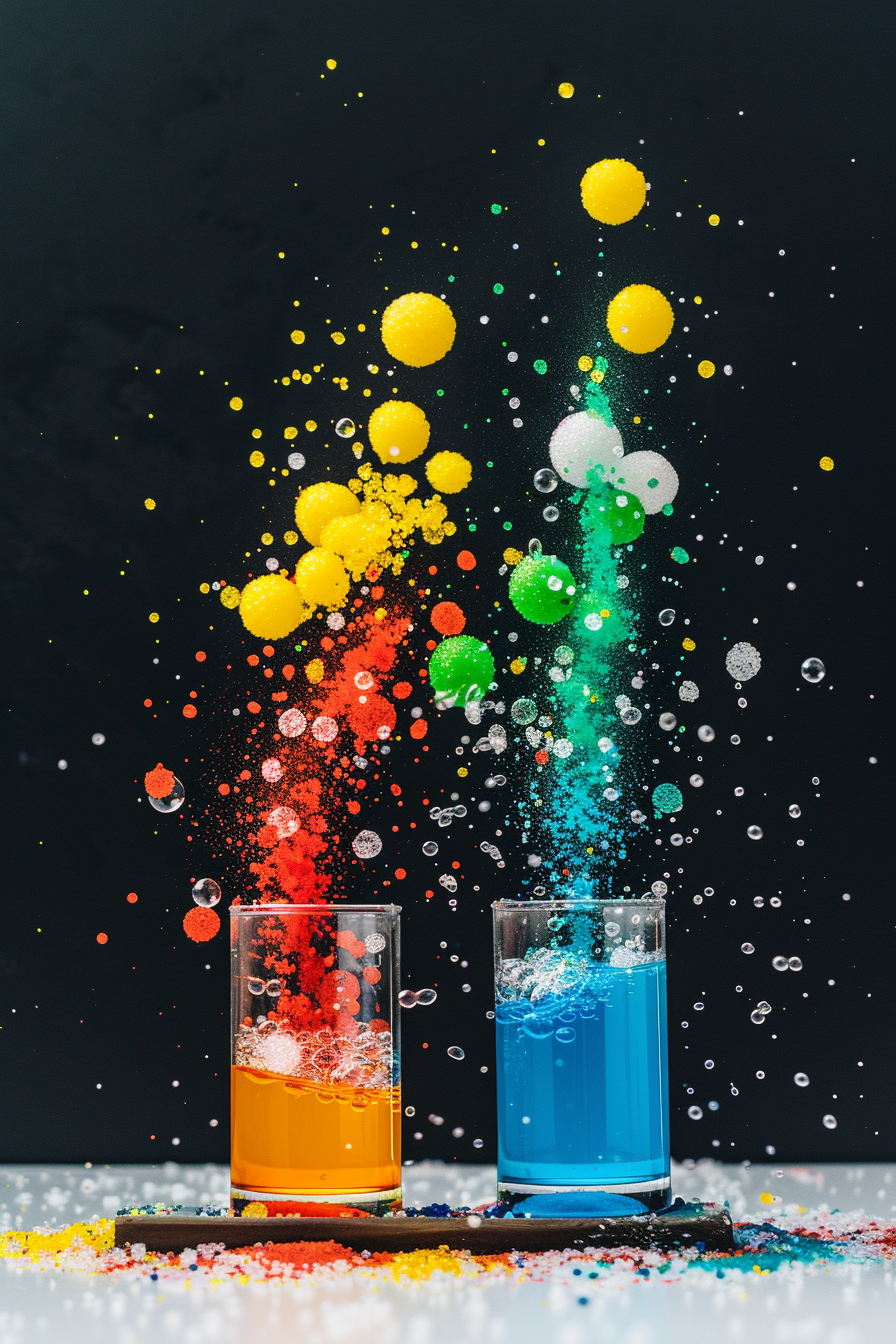
As carbon dioxide gas is released, the bubbles rise and carry the colors upward, creating a miniature fireworks effect.
Watch carefully as the colors spread and fizz across the surface.
The Science Behind the Fun
Understanding the Reaction
Sugar and Vinegar Fireworks demonstrates a classic acid-base reaction.
Vinegar contains acetic acid.
Baking soda contains sodium bicarbonate, which is a base.
When the two combine, they react and produce:
- Carbon dioxide gas
- Water
- Sodium acetate
The carbon dioxide gas forms bubbles that create the fizzing effect.
Why the Colors Move
The bubbles generated during the reaction lift the colored liquid upward.
As the gas escapes, it pushes color and glitter through the mixture, creating the appearance of tiny fireworks exploding.
This movement helps children visualize how gases can create motion.
Educational Benefits
Encourages Scientific Thinking
Children naturally begin asking questions during the experiment:
- What happens if we add more vinegar?
- Which color spreads the fastest?
- Why do bubbles form?
These questions encourage observation, prediction, and critical thinking.
Supports Sensory Learning
This activity engages multiple senses.
Children can:
- Observe color changes
- Hear fizzing sounds
- Feel textures
- Watch movement
Sensory-rich experiences help strengthen learning and retention.
Tips for Success
Make the Reaction More Dramatic
For larger bubbles and stronger fizzing:
- Use slightly warm vinegar
- Add extra baking soda
- Use concentrated food coloring
These small adjustments can enhance the visual effect.
Keep Cleanup Easy
Place the experiment on:
- A baking tray
- Plastic tablecloth
- Outdoor table
Afterward, simply rinse everything with warm water.
The ingredients dissolve easily and rarely leave stains when washable coloring is used.
Frequently Asked Questions
Is Sugar and Vinegar Fireworks safe for children?
Yes. The ingredients are generally safe household materials. Adult supervision is recommended.
Why does the experiment fizz?
The fizzing comes from carbon dioxide gas produced during the reaction between vinegar and baking soda.
Can I use different food coloring colors?
Absolutely. Multiple colors make the fireworks effect even more exciting.
Do I need sugar?
Sugar helps absorb color and creates a thicker base that enhances the visual display.
How long does the reaction last?
Most reactions last between 30 seconds and a few minutes, depending on ingredient amounts.
Conclusion
Sugar and Vinegar Fireworks is a simple, affordable science activity that combines chemistry, creativity, and sensory play. With common kitchen ingredients and just a few minutes of setup, children can experience the excitement of colorful fizzing reactions while learning basic scientific concepts. Whether used for homeschooling, classroom activities, or family fun, this experiment offers a memorable way to make science come alive.
Leave a Reply